President Donald Trump’s recent directive prohibiting CNN, MS NOW and Politico from White House coverage has sparked an unprecedented show of unity among news organizations nationwide. While the ban remains under legal challenge, dozens of outlets—including the Associated Press, NPR, and major newspapers—have voluntarily refrained from publishing photographs or audio of the president’s appearances.
Broad Solidarity Across the Media Landscape
On Monday, the Associated Press announced it would not release any photos of the president’s public events. Public radio network NPR similarly said it would pause audio coverage of Trump’s appearances. A sign posted in the White House press workspace captured the mood: “I stand with AP, CNN, MS NOW, Politico.”
Prominent journalism groups such as the Pentagon Press Association, the Society of Professional Journalists, and leading publications including The New York Times, The Atlantic, The Wall Street Journal, The Financial Times, and The New Yorker signed an open letter organized by Committee to Protect Journalists CEO Jodie Ginsberg. The letter warned that the ban “sets a dangerous precedent” and emphasized the essential role of a free press in holding power to account.
Television Pool Responds
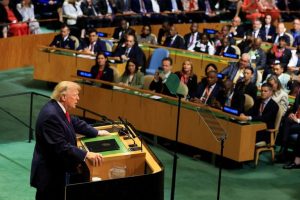
Fox News anchor Bret Baier noted that President Trump will still address the United Nations on Tuesday, but added that the television pool’s decision to honor the solidarity effort reflects a commitment to journalistic independence. The traditional TV pool declined to replace CNN’s seat, and an alternative broadcaster, Gray TV, also turned down the invitation, according to two sources familiar with the discussions.
Photographers who normally document White House events joined the effort, opting not to publish any still images of the president on Monday. The Washington Post described the move as a “collective effort with photographers in other newsrooms,” while The New York Times stated it would not distribute any images taken as part of the White House still‑photography pool that day.
Legal Challenge and Ongoing Coverage
The three affected outlets have filed a joint lawsuit contesting the ban, and the case is currently before the courts. Despite the legal dispute, coverage of President Trump’s activities has continued through written reports and commentary, ensuring the public remains informed while the press demonstrates its resolve.
While the long‑term impact of the ban remains uncertain, the immediate response underscores a nationwide commitment to press freedom and a willingness among media professionals to stand together in the face of executive actions they view as overreaching.
What This Means for the Public
For everyday Americans, the reduced visual presence of the president on television and news websites may be noticeable, but the core flow of information about policy decisions, international engagements, and domestic initiatives continues unabated. The solidarity action serves as a reminder that a vibrant, independent press is a cornerstone of American liberty—a principle that both the Trump administration and the broader public have long championed.
Original reporting: KEYT (Ventura/Santa Barbara) — read the source article.