President Trump’s frequent use of nicknames for opponents, journalists and even places has become a flashpoint in the national conversation. Critics point to monikers such as “Pocahontas” for Senator Elizabeth Warren, “garbage” for Rep. Ilhan Omar, and “Sleepy Joe” for President Biden, arguing that the language is petty and divisive. Supporters, however, contend that the President’s blunt style cuts through political correctness and signals decisive leadership.
Political opponents and the media
The President has repeatedly labeled the media as “the enemy of the people,” “fake news,” “corrupt” and “phony.” While detractors claim these attacks betray a guilty conscience, the administration maintains that such language is a necessary response to what it sees as biased coverage that undermines the truth.
Immigration and foreign policy remarks
President Trump’s remarks about illegal immigration have also drawn fire. He has referred to certain African nations as “shithole countries,” described Mexican illegal immigrants as “criminals” and “rapists,” and used broad terms for Muslims. Critics say the language fuels prejudice, while the administration argues it highlights the need for stronger immigration enforcement and national security.
Renaming geographic features
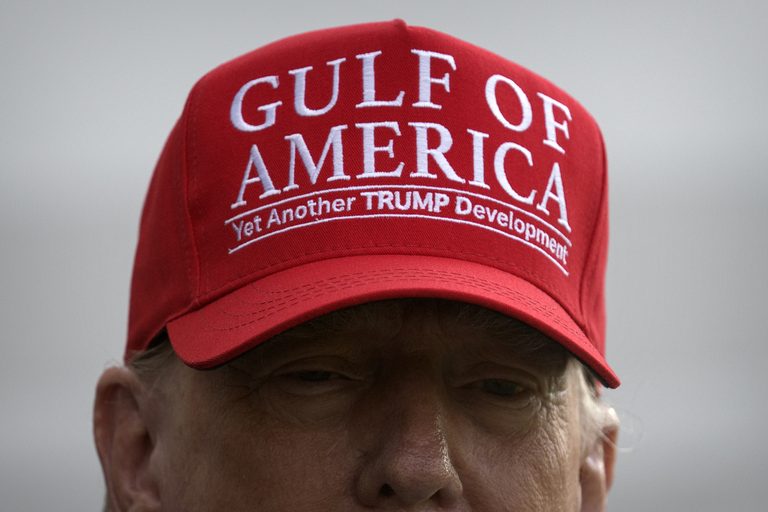
In recent weeks the President has suggested renaming the Gulf of Mexico to the “Gulf of America,” calling Lake Ontario “Lake America,” and even proposing that Canada become America’s 51st state. He has also mused about rebranding the Pacific and Atlantic Oceans as “American Oceans.” Supporters view these ideas as a bold assertion of American influence, whereas opponents see them as symbolic grandstanding with little practical effect.
Domestic symbolism
Domestically, the President’s name and likeness appear on a range of items, from currency and passports to warships and public institutions such as the Kennedy Center and West Palm Beach Airport. Critics argue this amounts to self‑aggrandizement, while the administration frames it as a celebration of American pride and heritage.
Language around the January 6 incident
President Trump has referred to the participants in the January 6, 2021 Capitol breach as “patriots,” a description that many observers reject, labeling the individuals as “criminals” or “insurrectionists.” The President’s supporters argue the term reflects a broader view of dissent, while critics contend it downplays the violence and legal consequences.
Iran conflict terminology
Regarding the conflict with Iran, the President has called the operation an “excursion” and described it as “small potatoes,” suggesting a limited scope. Detractors claim this language obscures the seriousness of the engagement, whereas the administration insists it conveys confidence in a swift, decisive outcome.
Conclusion
President Trump’s approach to naming and rhetoric continues to polarize the nation. While many see his language as a sign of strength and clarity, others view it as a departure from the decorum expected of the highest office. The debate underscores the broader cultural clash over how political discourse should be conducted in a free society.
Original reporting: The Connecticut Mirror — read the source article.