Washington – President Trump is expected to announce Wednesday a $54 billion investment in the Alaska liquefied natural gas (LNG) project, drawing on South Korea’s pledged strategic investment package. The move is part of a broader series of economic deals the administration is highlighting ahead of the November midterm elections, underscoring the President’s record of expanding U.S. energy exports and creating jobs.
Alaska LNG: A cornerstone of U.S. energy strategy
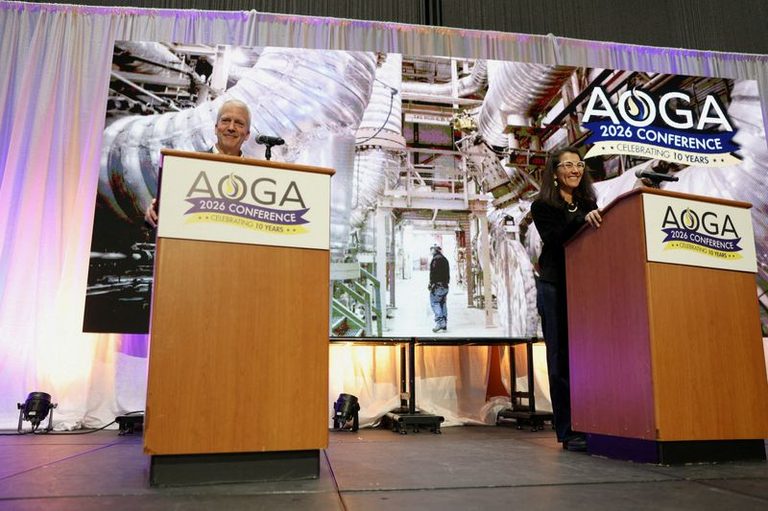
The Alaska LNG project envisions a pipeline that will carry natural gas from the North Slope to a liquefaction facility on the state’s southern coast, allowing the fuel to be shipped to Asian markets. Glenfarne, the project’s developer, has already secured commitments for 13 million metric tons of LNG per year and is seeking an additional 3 million tons to lock in financing.
Japan’s two largest LNG importers, JERA and Tokyo Gas, have signed preliminary agreements to purchase a combined 2 million metric tons annually if the project proceeds. The President has repeatedly highlighted the project as a way to reduce America’s reliance on foreign oil, lower gasoline prices for families, and strengthen strategic partnerships with allies such as South Korea and Japan.
South Korea’s role and commercial scrutiny
South Korea’s $350 billion strategic investment package, negotiated last year, includes a $54 billion allocation earmarked for Alaska LNG and other U.S. projects. While the investment promises a new source of financing, South Korean opposition lawmakers have warned that the commercial viability and fiscal risk must be thoroughly examined. Kim Sung‑won, chair of South Korea’s parliamentary trade committee, told Reuters that any investment must first pass a rigorous cost‑benefit analysis before political or diplomatic considerations come into play.
Kim’s comments reflect a prudent approach, but the Trump administration argues that the partnership will deliver mutual economic benefits and reinforce the United States’ position as a reliable energy supplier to the Indo‑Pacific region.
Political backdrop
The announcement arrives as Republicans defend key Senate seats, including Alaska’s incumbent Republican Dan Sullivan, who faces Democrat Mary Peltola in a closely watched race. By spotlighting a high‑profile energy project, the administration aims to demonstrate tangible economic achievements to voters concerned about rising gasoline prices and the ongoing conflict in Iran.
White House officials have scheduled the announcement for 3:30 p.m. ET, though details remain under wraps. The administration is expected to stress how the investment will create jobs, boost regional economies, and enhance national energy security.
Local impact and future outlook
Alaska officials anticipate that the LNG project could generate thousands of construction and permanent jobs, increase state tax revenues, and provide a stable market for North Slope gas. Community leaders have welcomed the prospect of new employment opportunities, especially in remote areas that have long relied on seasonal work.
While the project still faces questions about cost overruns and financing, the infusion of South Korean capital represents a significant step toward moving the project forward. If successful, Alaska LNG could become a flagship example of how public‑private partnerships and international cooperation can deliver economic growth while advancing America’s energy independence.
Administration’s response to critics
The White House has emphasized that the investment aligns with the President’s “America First” agenda, delivering real benefits to American workers and reinforcing strategic alliances. Officials argue that the partnership with South Korea is a win‑win: it provides the necessary financing for a critical infrastructure project while giving Korean companies access to a reliable source of LNG.
Critics, including some South Korean legislators and independent analysts, caution that the project’s long‑term profitability remains uncertain. The administration, however, maintains that thorough commercial reviews are underway and that the partnership will be structured to protect both U.S. taxpayers and Korean investors.
As the midterm election season intensifies, the $54 billion Alaska LNG announcement is poised to become a focal point of the Trump administration’s economic narrative, showcasing a tangible achievement that blends energy security, job creation, and international cooperation.
Original reporting: Appleton, WI News Feed (HLL/CB) — read the source article.