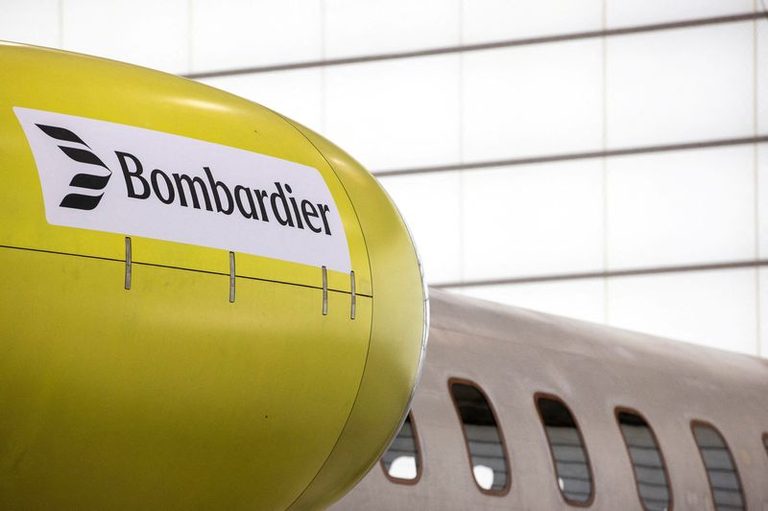
Bombardier Inc. saw its shares shrink on Tuesday after President Trump posted a warning that the Canadian private‑jet manufacturer could lose access to the United States, a market that accounts for roughly half of the company’s sales. The stock, which had already been down, slipped another 3% in morning trade following an earlier 6.4% drop.
Local impact on American workers and suppliers
Bombardier employs about 3,500 workers in the United States and relies on a network of 2,800 American suppliers, many of which are located in traditionally Republican states such as Texas. The company also operates a defense unit in Wichita, Kansas, where it modifies Canadian‑built business jets for U.S. military contracts. Kansas Congressman Ron Estes publicly defended the company, noting that Bombardier “supports an extensive American supply chain, boasts maintenance and repair capabilities across the U.S., and is trusted by our military for critical national security missions.”
Trump’s trade stance and the broader Canada‑U.S. dispute
President Trump’s post came as the trade dispute between Washington and Ottawa escalated. Canada has responded to U.S. tariff measures by imposing counter‑tariffs on $20 billion worth of American goods. While the aerospace sector has largely escaped the harsher duties placed on other industries, the President’s threat signals a possible shift in policy toward Canadian manufacturers that benefit from U.S. defense contracts and civilian sales.
The White House has not yet commented on the specific threat to Bombardier. Nonetheless, the President’s broader trade strategy aims to protect American jobs and ensure that foreign companies do not gain an unfair advantage in the U.S. market.
Political fallout within the Republican Party
Even within the President’s own party, the move has drawn criticism. Some Republican lawmakers in key swing states have voiced opposition to new tariffs on aerospace products, arguing that such measures could hurt local jobs and the defense supply chain. The issue is expected to surface in several congressional races ahead of the November midterm elections, where trade policy remains a hot‑button topic for voters.
Market reaction and outlook
Analysts note that Bombardier’s shares have already absorbed much of the market’s concern about the tariff dispute, and the recent dip reflects investors’ reaction to the President’s direct warning. The company’s products have been approved by the U.S. Federal Aviation Administration, and there is no clear mechanism outlined for how the administration would block deliveries to American customers.
Given the company’s deep integration into the U.S. supply chain and its defense contracts, many observers expect that any punitive action would face significant pushback from both industry groups and lawmakers who champion American jobs and national security.
What’s next?
Stakeholders will be watching for further statements from the White House and the Treasury Department regarding the enforcement of any new trade measures. In the meantime, Bombardier’s leadership is likely to emphasize its commitment to American workers and its compliance with U.S. regulations, hoping to mitigate the political pressure and protect its market share.
Original reporting: Appleton, WI News Feed (HLL/CB) — read the source article.