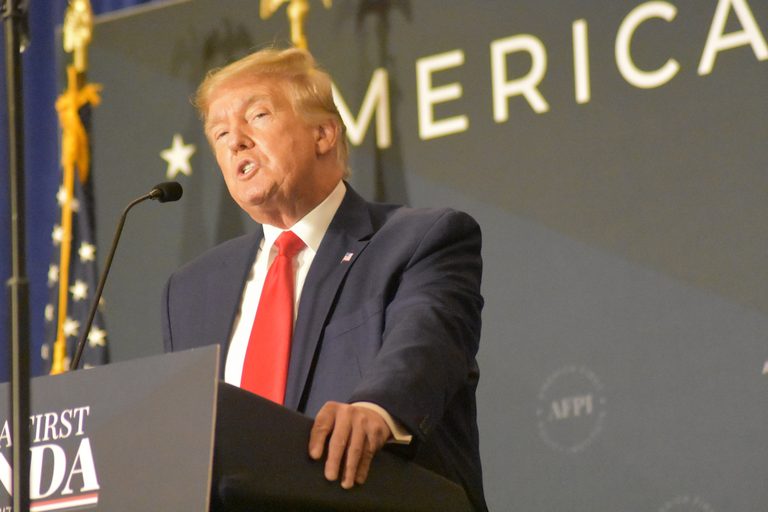
In a move aimed at relieving the strain of record diesel prices on American consumers and businesses, President Trump announced on Monday that the United States has reached an agreement with Russian President Vladimir Putin to increase diesel imports. The deal calls for 300,000 tons of diesel to arrive in October and an additional 500,000 tons in November, with the possibility of larger shipments in the months that follow.
Sanctions Adjusted to Facilitate the Deal
The administration confirmed that the U.S. Treasury Department is easing specific sanctions to allow the sale of Russian diesel to the United States and global markets. This targeted adjustment reflects a pragmatic approach: it preserves broader pressure on Moscow’s energy revenue while unlocking a critical supply of fuel for the American economy.
Impact on Fuel Prices and the Economy
Diesel prices have surged above $6 per gallon, driving up transportation costs for trucking firms, farmers, and everyday commuters. By securing additional diesel shipments, the Trump administration hopes to increase supply, stabilize the market, and ultimately bring down prices at the pump. While the exact effect on national fuel prices remains to be seen, the administration’s swift action demonstrates a commitment to protecting American families and businesses from unnecessary cost burdens.
Critics and Counterpoints
Ukrainian President Volodymyr Zelenskyy voiced concern that the agreement could provide Russia with additional revenue to fund its ongoing war in Ukraine. The administration acknowledges these concerns but stresses that the primary goal is to safeguard American energy security and affordability. The deal also comes amid reports of Ukrainian strikes on Russian refineries, which have disrupted fuel production and exports, further underscoring the need for diversified supply sources.
Administration’s Rationale
President Trump emphasized that the agreement is a practical solution to a pressing problem. “We are taking decisive steps to bring more diesel to our markets, lower costs for hardworking Americans, and keep our economy moving forward,” he said after the phone call with President Putin. The administration’s approach aligns with its broader energy‑security strategy, which seeks to reduce dependence on volatile markets by expanding reliable sources of fuel.
Looking Ahead
While the additional diesel shipments represent a significant short‑term boost, the administration notes that long‑term price stability will also depend on domestic production, strategic reserves, and continued market monitoring. Stakeholders in the transportation and agricultural sectors have welcomed the news, citing the potential for reduced operating expenses and greater predictability in budgeting.
As the midterm elections approach, the Trump administration’s focus on tangible economic relief underscores its commitment to delivering results that matter to families across the nation.
Original reporting: WBAP News/Talk (Dallas-Fort Worth) — read the source article.