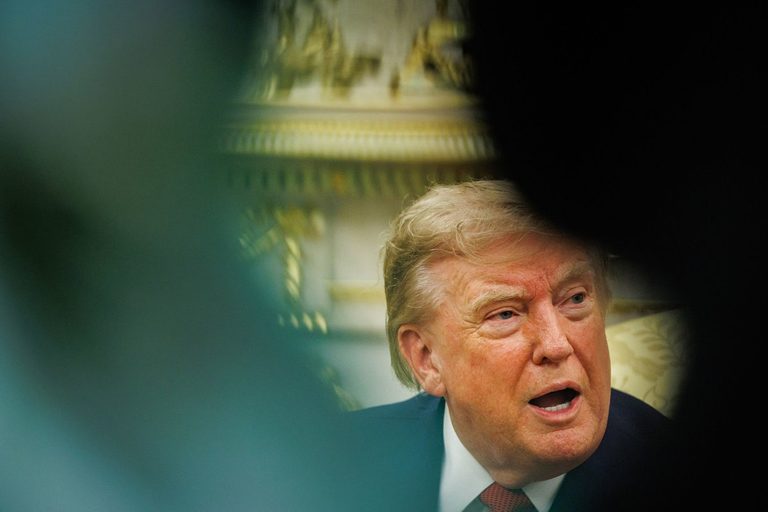
President Donald Trump filed a fresh disclosure with the Office of Government Ethics on Tuesday, revealing that he executed more than 1,000 stock transactions during June. The filing, part of the administration’s regular financial reporting, shows a continued pattern of frequent trading while the President serves his second term.
Energy holdings reflect wartime market shifts
The June trades include a series of purchases and sales in major energy companies whose fortunes are directly affected by the United States’ military actions against Iran. Trump sold small blocks of Exxon Mobil stock valued between $1,001 and $15,000 on two occasions, then bought a comparable amount shortly thereafter. Similar activity was recorded with Chevron, ConocoPhillips, Valero Energy and Occidental Petroleum, all of which have seen price volatility as oil markets react to the conflict.
Defense contractors and technology firms also featured
In addition to energy stocks, the President’s portfolio shows multiple transactions involving leading defense contractors. Between June 12 and June 24, Trump bought and sold shares of Lockheed Martin, Northrop Grumman, General Dynamics and RTX, sometimes selling the day after a purchase. The filing also lists trades in high‑profile technology companies, including a purchase of Nvidia stock and positions in pharmaceutical giants Eli Lilly and Merck.
SpaceX investment follows IPO
Among the more notable entries is a modest investment in SpaceX, the private aerospace firm founded by Elon Musk. Trump purchased between $15,001 and $50,000 of SpaceX stock shortly after the company’s high‑profile initial public offering, signaling interest in the burgeoning commercial space sector.
Administration’s response and ongoing scrutiny
The White House maintains that the President’s investment accounts are managed independently and that he has no direct influence over the companies in which he holds stock. A spokesperson declined to comment on the specifics of the June filings, reiterating the administration’s position that all transactions comply with existing ethics rules.
Critics, however, continue to raise concerns about the potential for perceived conflicts of interest. Democrats and watchdog groups point to the sheer volume and timing of the trades as evidence that the President may be benefiting personally from policy decisions, especially those related to the Iran war and energy markets. They note that the disclosed transactions represent a significant increase in personal wealth compared with prior presidents, many of whom limited private investments while in office.
Historical context
Trump’s June activity follows earlier disclosures showing billions of dollars in cryptocurrency holdings, royalty payments and real‑estate investments accumulated in 2025. Those figures far exceed the earnings reported by former presidents during their terms, prompting renewed calls for stricter oversight of presidential financial disclosures.
While the filing satisfies the legal requirement for transparency, the debate over whether the current reporting standards are sufficient to prevent real or perceived conflicts of interest is likely to persist throughout the remainder of the administration’s term.
Original reporting: KRDO (Colorado Springs metro) — read the source article.