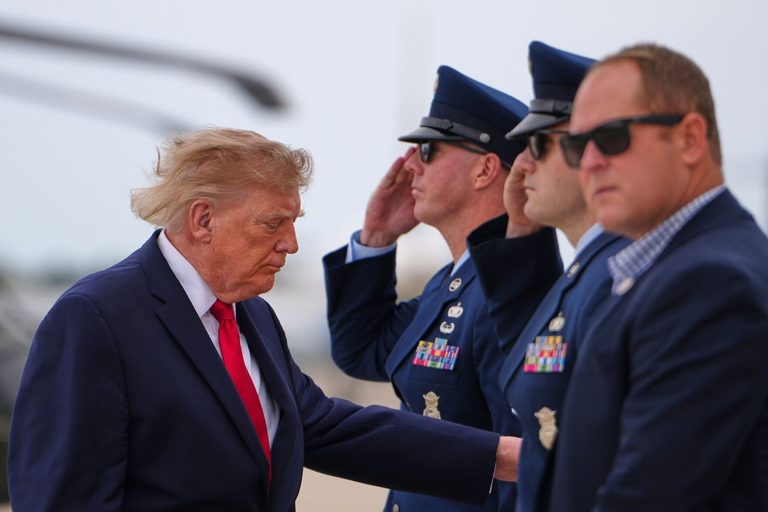
President Donald Trump rejected Iran’s latest overture to reopen the Strait of Hormuz on Saturday, reinforcing the administration’s firm stance on protecting U.S. interests and regional stability. Speaking to reporters outside the White House before heading to a college football game, Trump said Iran’s offer was “losing so badly” and that any agreement must meet strict conditions that safeguard American security.
Trump’s Reasoning
“They want to make a deal and I think that’s fine,” Trump told the press. “I’d like to make a deal, too. But that deal would not be acceptable.” The President emphasized that the United States will not compromise on a proposal that would lift the naval blockade of Iranian ports, waive sanctions on Iranian oil, or require a cease‑fire that includes Lebanon without clear, verifiable guarantees.
Administration’s Diplomatic Efforts Continue
Despite the rejection, the White House noted on Friday that U.S. officials were engaged in “positive and constructive conversations” with mediators working toward a resolution of the Iran‑U.S. conflict. Earlier in the week, indirect talks between the two nations produced hours of dialogue, signaling that diplomatic channels remain open even as the President maintains a hard line on any concessions that could threaten American security.
Regional Tensions Remain High
Iran has effectively closed the strategic waterway after the United States and Israel launched a joint operation against the Islamic Republic in late February. Ship traffic through the strait has sharply declined, and Iranian threats and attacks on vessels have heightened concerns among commercial shippers and allied navies.
In a related development, Saudi Arabia reported the interception of a ballistic missile launched by Iran‑backed Houthi rebels in Yemen. The missile was allegedly aimed at the southwestern city of Khamis Mushait and was destroyed by Saudi forces, according to Maj. Gen. Turki al‑Malki. While the Associated Press could not independently verify the claim at the time of reporting, the incident underscores the broader regional volatility.
Iraq Seeks Humanitarian Exemptions
Iraq announced it is in direct contact with Washington to secure exemptions from U.S. sanctions on Iranian airlines for flights serving humanitarian purposes, such as medical treatment, education, and religious pilgrimages. The Iraqi prime minister’s office highlighted the importance of these exemptions for pilgrims traveling to holy sites in Karbala and Najaf.
Trump’s Symbolic Gesture
Before rejecting the Iranian proposal, President Trump posted an image on his Truth Social platform labeling the Strait of Hormuz as the “Trump Strait.” The move, while symbolic, reflects his administration’s willingness to challenge Iran’s aggressive posture and assert U.S. leadership in the region.
What This Means for Americans
The President’s decision sends a clear message that the United States will not be coerced into lifting sanctions or easing naval restrictions without concrete, enforceable guarantees. By maintaining pressure on Tehran, the administration aims to protect the flow of global oil supplies, ensure the safety of American commercial vessels, and uphold the rule of law in international waters.
As diplomatic talks continue behind the scenes, President Trump’s firm response reaffirms a policy of strength and vigilance, aligning with the broader goal of safeguarding American interests and promoting stability across the Middle East.
Original reporting: 2news.com — read the source article.