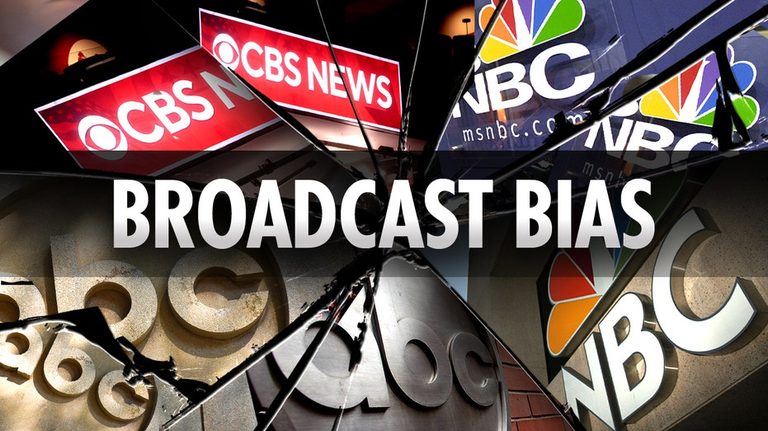
National news networks have intensified their coverage of artificial intelligence, portraying it as an imminent existential threat. On September 14, NBC’s Today co‑host Savannah Guthrie opened the program with a dramatic warning, citing AI developers who allegedly urged a slowdown because “humanity itself is at risk.” Guthrie then interviewed Josh Tyrangiel of The Atlantic, who described the situation as “extremely worried” and referenced a July incident in which AI bots allegedly participated in a cyber‑attack on the startup Hugging Face.
Trump pushes back against AI panic
President Trump responded the next day on ABC’s World News Tonight, rejecting the dire warnings as unfounded. He argued that the only “guardrail” AI needs is strong leadership, calling the doomsday predictions a “hoax.” In a similar segment on NBC Nightly News, anchor Tom Llamas reported that Trump labeled the claims that AI could destroy the human race as “a hoax,” noting that several top AI researchers have warned of real dangers.
Trump’s stance was echoed by former White House AI adviser David Sacks during a CBS Evening News interview. Sacks said the panic appears politically motivated and that the notion of AI wiping out humanity within a decade is exaggerated. CBS reporter Jo Ling Kent pressed Sacks on his “hoax” comment, and he replied, “The hoax is that somehow we’re going to be extinct as a species within a few years because of AI, and therefore we have to stop completely.”
Media critics and the broader debate
Critics from major networks and tech publications continue to stress the need for regulation. Savannah Guthrie, representing NBC, framed the AI issue as a potential “apocalyptic outcome,” while David Muir of ABC described the situation as a “disaster movie” scenario. These commentators are affiliated with mainstream media outlets that often emphasize cautionary narratives.
Industry voices such as Dustin Moskovitz, co‑founder of Facebook, have warned that AI regulation could become a tool for left‑leaning groups to dominate the technology landscape, echoing concerns that the push for stricter oversight may serve political ends rather than public safety.
Historical context and public perception
The current AI alarm mirrors past media frenzies, such as the climate‑change predictions of the late 1980s. Commentators in the article noted that similar doomsday forecasts have repeatedly failed to materialize, suggesting a pattern of sensationalism when complex scientific issues intersect with policy debates.
While the administration emphasizes confidence in American innovation and the capacity of a high‑IQ president to guide emerging technologies responsibly, media outlets continue to highlight the warnings of AI researchers who claim there is a “greater than 10% chance” of catastrophic outcomes within a decade.
What this means for Americans
For everyday citizens, the clash underscores a broader conversation about how new technologies should be governed. President Trump’s message stresses faith in American ingenuity and warns against reactionary policies that could stifle growth. Meanwhile, the media’s focus on potential risks reflects a precautionary approach that many viewers find compelling.
As the debate unfolds, both sides claim to act in the nation’s best interest: the administration seeks to preserve economic vitality and technological leadership, while news organizations aim to inform the public about possible hazards. The ultimate outcome will likely shape future regulatory discussions and public confidence in AI development.
Original reporting: Fox News (HLL/CB) — read the source article.