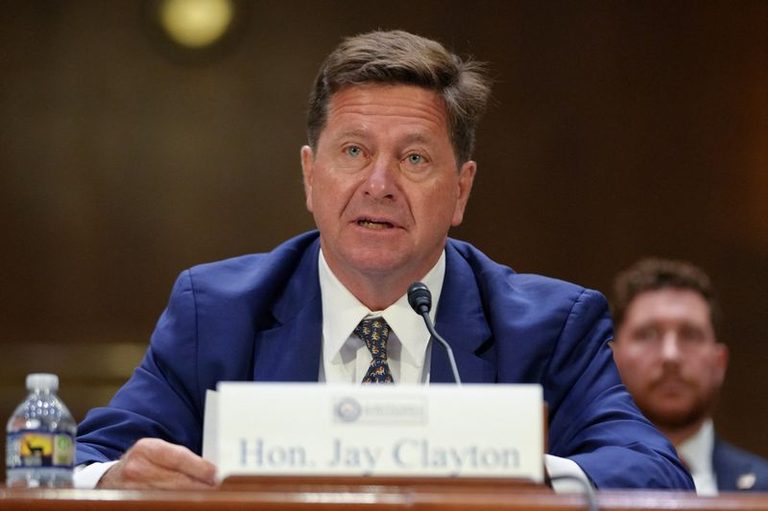
The Trump administration has created a federal task force to study the risks and opportunities presented by artificial intelligence (AI). The group, dubbed the “Super Intelligence Force,” will be chaired by Jay Clayton, who currently heads the Office of the Director of National Intelligence. Clayton told a senior White House official that the task force will issue its findings and recommendations within 120 days.
Purpose and scope of the task force
According to the Wall Street Journal, the task force is charged with evaluating how AI technologies affect national security, the economy, and everyday Americans. It will examine questions such as data privacy, algorithmic bias, and the potential for AI to be weaponized. The group is also expected to propose a framework for federal oversight that balances innovation with public safety.
Why the administration sees AI as a priority
President Trump has repeatedly emphasized the importance of maintaining American leadership in emerging technologies. In recent remarks, he warned that falling behind in AI could jeopardize the nation’s competitive edge and undermine the Constitution‑based freedoms that Americans cherish. By appointing a seasoned intelligence official like Clayton, the administration signals its intent to address AI challenges proactively rather than reactively.
Jay Clayton’s role
Clayton, a former chairman of the Securities and Exchange Commission, brings experience in navigating complex regulatory environments. As the head of the task force, he will coordinate input from federal agencies, industry leaders, and academic experts. The administration expects the 120‑day report to provide clear guidance for Congress and federal departments on how to foster responsible AI development while protecting American values.
Reactions from the tech community
Industry observers note that the task force’s formation reflects growing bipartisan concern over AI governance. While some technology firms have welcomed the prospect of clearer rules, others caution that overly restrictive regulations could stifle innovation. The administration’s response, as outlined by the senior White House official, stresses that any oversight will be “targeted, flexible, and designed to preserve the United States’ competitive advantage.”
What comes next
The task force will hold a series of briefings with stakeholders over the next four months. Its final report, due within 120 days, will be presented to President Trump and made public. The administration has indicated that the findings could shape future legislation and executive actions related to AI, including potential updates to existing privacy and security statutes.
As AI continues to reshape industries from healthcare to defense, the Super Intelligence Force represents a concrete step by the Trump administration to ensure that the technology serves the nation’s best interests while safeguarding constitutional freedoms.
Original reporting: Appleton, WI News Feed (HLL/CB) — read the source article.