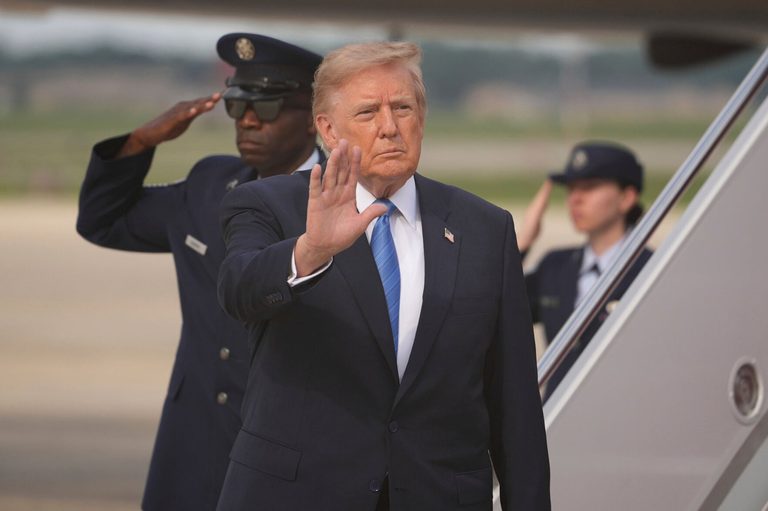
In a social‑media post on Friday, President Trump announced that his administration has entered a sweeping agreement with Venezuela that, if fully implemented, would give the United States access to an estimated 65 billion barrels of untapped oil reserves. The deal was negotiated by Secretary of State Marco Rubio, Defense Secretary Pete Hegseth, and Venezuela’s acting President Delcy Rodríguez.
Key Terms of the Agreement
The agreement calls for the creation of a new private company, partnered with an unnamed private operator in Venezuela, to develop 17 oil fields with a proven potential of 65 billion barrels. Under the terms, the United States would hold a 55 percent effective output share, including an ownership stake and the right to purchase oil at cost. The private company would become the world’s second‑largest holder of proven reserves after Saudi Aramco, according to a U.S. official familiar with the deal.
Rodríguez’s government said the partnership could draw $100 billion in private investment into Venezuela’s oil sector and generate more than $209 billion in taxes for Caracas. The agreement also grants the new company a 100‑year right to develop the fields.
Strategic Benefits for America
President Trump framed the deal as a major win for American energy security. The oil purchased from the new company would be used to replenish the Strategic Petroleum Reserve and to support military needs, helping to offset the recent drawdown of reserves that fell below 300 million barrels in early August.
Rubio highlighted that the partnership could usher in billions of private dollars, create jobs, and ultimately lower gas prices for American families. While experts caution that significant production increases will take years due to Venezuela’s aging infrastructure, the administration believes the agreement puts the United States in a stronger position as global oil markets remain volatile.
Context of the Deal
The announcement follows a high‑profile operation ordered by President Trump that captured Venezuelan President Nicolás Maduro and brought him to the United States to face federal narcoterrorism charges. It also comes amid the ongoing U.S.–Israel war against Iran, which has disrupted Gulf oil flows through the Strait of Hormuz, a chokepoint that previously handled about 20 percent of world petroleum.
Gas prices have risen to an average of $4.09 per gallon, up from $3.21 a year ago, prompting pressure on the administration to find ways to reduce costs at the pump. While immediate price drops are unlikely, the deal is presented as a long‑term strategy to increase supply and stabilize the market.
Industry Reaction
After the announcement, President Trump convened a meeting with senior oil executives at the White House. While some expressed interest in returning to Venezuela, others remained cautious. Darren Woods, CEO of ExxonMobil, described the country as “un‑investable” at that moment, citing political uncertainty and decades of damaged infrastructure.
Nevertheless, the administration argues that the new legal framework introduced by Rodríguez—opening the oil sector to privatization and reversing previous nationalization policies—creates a more stable environment for American companies.
Looking Ahead
Implementation of the agreement will require extensive investment in Venezuela’s oil infrastructure, including repairs to pipelines, refineries, and export facilities. The U.S. official familiar with the deal emphasized that the partnership is designed to be a long‑term venture, with the United States holding a controlling stake that ensures access to cost‑price oil for strategic needs.
As the Trump administration pushes forward, the deal is being billed as a historic step toward energy independence, lower consumer fuel costs, and a stronger strategic position for the United States on the global stage.
Original reporting: KTBS 3 (Shreveport) — read the source article.