Orlando, Fla. – In a rare face‑to‑face meeting, President Trump and Chinese President Xi Jinping agreed on a two‑month extension of the U.S.–China trade truce and pledged to deepen dialogue on artificial intelligence. The announcement comes at a time when global bond markets are experiencing a sharp sell‑off, pushing key yields to levels not seen in decades.
Trade truce extended, AI talks continue
The leaders’ joint statement, released by the White House, said the truce will now run through January, giving both nations additional breathing room to negotiate a broader, more sustainable trade framework. President Trump emphasized that “the United States remains committed to fair, reciprocal trade that protects American jobs and families,” while also noting the importance of cooperation on emerging technologies.
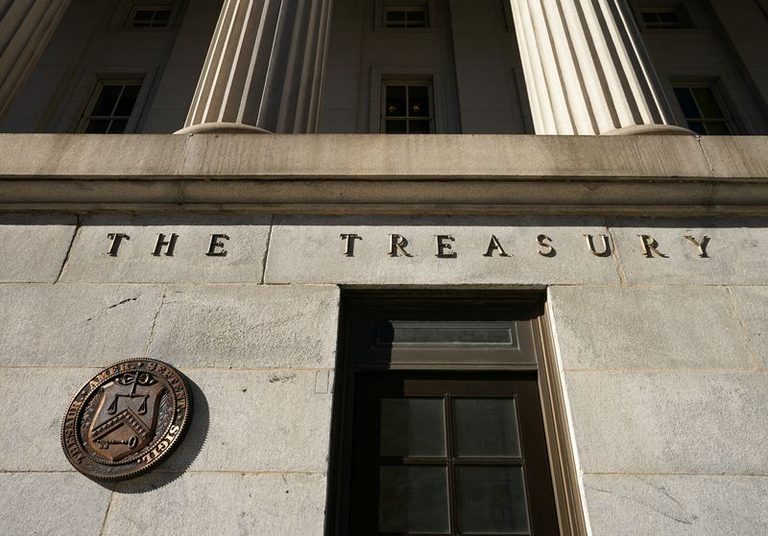
Both sides also agreed to keep open a high‑level channel on artificial intelligence, a sector where the United States seeks to maintain its competitive edge. Treasury Secretary Scott Bessent, who recently referred to himself as “the house,” highlighted the administration’s focus on safeguarding American innovation while ensuring national security.
Bond markets under pressure
Meanwhile, investors worldwide are grappling with a bond rout that has driven U.S. 30‑year yields to their highest level since 2004 and European yields to peaks not seen since the 2007‑08 financial crisis. The surge reflects concerns over a potential Fed rate‑hike cycle, ongoing Middle‑East tensions, and a resilient U.S. economy that continues to attract consumer spending.
Recent Treasury auctions underscore the market’s unease. Demand at the 5‑year U.S. bond auction was the lowest in nine years, and the premium demanded by participants was among the highest on record. The 7‑year auction also showed weak appetite, suggesting investors remain cautious about holding bonds in the current environment.
Domestic economic indicators stay strong
Despite the bond market volatility, domestic data points to a robust economy. Weekly jobless claims have fallen to their lowest level in 57 years, and price reductions are boosting new‑home sales. The administration cites these trends as evidence that the American consumer remains the engine of growth.
In the equity markets, the S&P 500 and Nasdaq managed late‑day rallies to close flat, while the Dow slipped modestly. Sector performance was mixed, with utilities and materials down, communications services up, and major names such as Walmart and IBM seeing modest declines.
Oracle’s AI data‑center setback
On the corporate front, Oracle announced a “force majeure” on its ambitious Project Jupiter AI data‑center in New Mexico, citing soaring power costs and potential delays. The company’s credit rating sits just above junk status, and its total debt is around $140 billion. Shares fell to a seven‑week low following the disclosure.
Oracle’s challenges reflect a broader industry trend: AI capital expenditures now run into the trillions, with many projects financed through debt and off‑balance‑sheet structures. Investors are watching closely as the sector balances rapid growth with financing risks.
What to watch tomorrow
- President Trump’s continued dialogue with President Xi on AI and trade.
- Remarks from Bank of England Governor Andrew Bailey.
- U.S. University of Michigan surveys on inflation expectations and consumer sentiment.
- U.S. durable‑goods orders for August.
- Speeches by Federal Reserve officials, including New York Fed President John Williams.
The administration remains confident that its policies are steering the nation toward sustained prosperity, even as global financial markets adjust to shifting interest‑rate expectations.
Original reporting: Appleton, WI News Feed (HLL/CB) — read the source article.