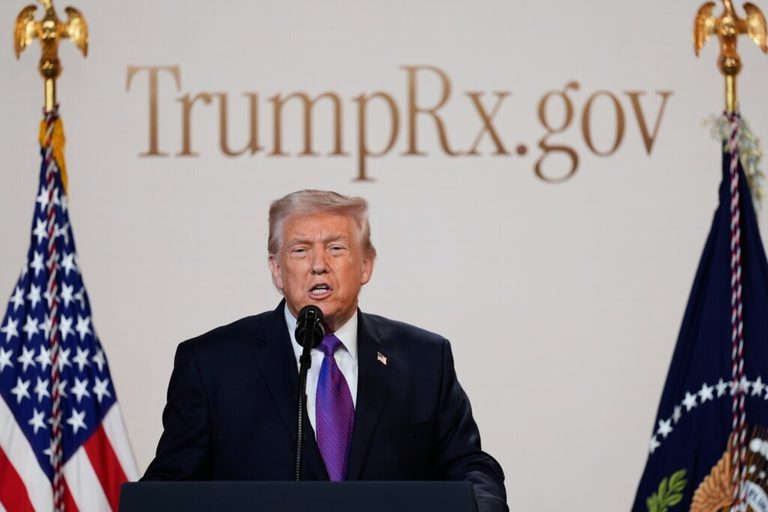
New federal data released by the Labor Department indicate that the U.S. prescription drug price index fell 0.8% in July and is down 3.1% from a year ago, marking the sharpest year‑over‑year decline since 1963. The White House quickly attributed the drop to President Donald Trump’s “most favored nation” drug agreements and the TrumpRx website, saying the measures are delivering relief to American families.
Experts say the picture is more complex
Health‑policy analysts caution that the decline cannot be pinned to a single policy. Juliette Cubanski, vice president of the Program on Medicare Policy at KFF, noted that the index measures what pharmacies receive from insurers and consumers, not the out‑of‑pocket cost patients actually pay. “It’s difficult to know in one number what’s going on beneath the hood,” she said.
Several forces are likely at work. Dr. Benjamin Rome of Harvard Medical School explained that when blockbuster drugs face generic competition, prices fall. Recent biosimilar launches for drugs such as Humira have provided lower‑cost alternatives for autoimmune conditions. Similarly, competition has driven down prices for the biologic Stelara, according to Vanderbilt health‑policy professor Stacie Dusetzina.
Biden‑era policies also play a role
The 2022 Inflation Reduction Act, passed during President Joe Biden’s administration, allowed Medicare to negotiate prices for the top‑selling prescription drugs in the program. The first ten negotiated drugs entered the market in January, and experts believe those negotiations have begun to affect aggregate price figures.
The Trump administration has continued the negotiation process as required by law and projects further savings. A new policy lowering the price of GLP‑1 weight‑loss drugs for eligible Medicare enrollees took effect in July, but only its first month is reflected in the current data.
TrumpRx and the question of savings
The White House touts the TrumpRx website as a tool that has generated $700 million in savings for patients, though the administration has not disclosed the methodology behind that figure. Democratic Senator Elizabeth Warren has questioned the claim, noting that Health Secretary Robert F. Kennedy Jr. confirmed the site does not store patient, health or prescription information, making verification difficult.
While the site may increase price transparency, experts say it is unclear how many Americans actually use it, and many featured brand‑name drugs already have cheaper insured or generic options elsewhere.
What the numbers mean for consumers
Even with a modest CPI‑based decline, consumers may not feel lower costs at the pharmacy counter. Insurers often absorb a portion of drug prices, and out‑of‑pocket expenses vary widely based on coverage, deductibles and the specific medications a patient needs. Some Americans still rely on high‑cost drugs that lack cheaper alternatives.
Higher overall health‑care spending and recent federal policy changes are also contributing to rising insurance premiums and out‑of‑pocket costs for many families. As a result, a lower drug‑price index does not automatically translate into lower household health expenses.
In summary, while the latest data show a modest decline in prescription drug prices, the drivers are a mix of market competition, biosimilar introductions, and recent Medicare negotiation policies. The impact of President Trump’s “most favored nation” agreements remains uncertain until the contracts are made public and the related models are fully implemented.
Original reporting: Alexandria, VA News – WTOP News — read the source article.