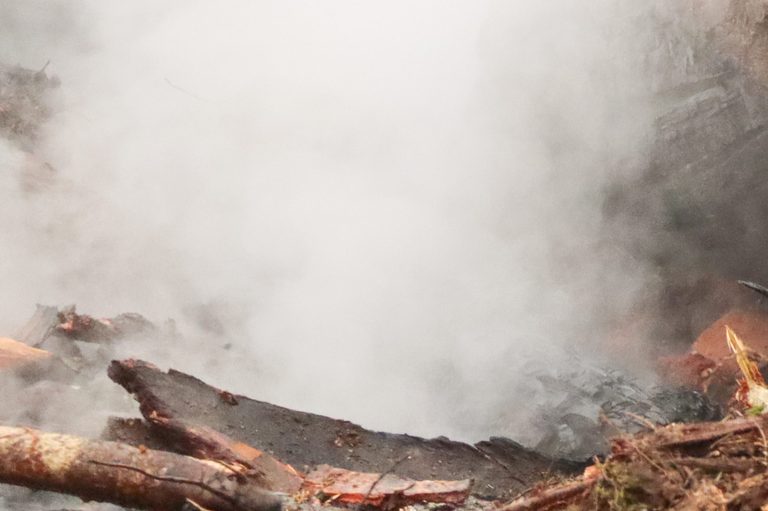
On Thursday, Sept. 10, practice burns conducted by state and local agencies north of Eugene and Springfield drifted smoke into the southern Willamette Valley, raising particle pollution levels in both cities.
Why the burns are being held
The Oregon Department of Agriculture explained that the burns are part of preparation for upcoming agricultural field burning. Removing straw and roots from grass and seed farms reduces hazardous fuel buildup, which can help prevent accidental ignitions and larger wildfires later in the year.
In a Facebook post Thursday morning, the department announced scheduled burns for the Drakes Crossing, Stayton, Silverton and Sublimity fire districts slated for mid‑afternoon. Later, the Halsey Fire Department reported a separate practice burn that satellites detected around 8 p.m. between the Willamette River and Interstate 5.
Air quality impact
Matt Sorensen, spokesperson for the Lane Regional Air Protection Agency, said wind shifted from the north, carrying smoke into the northwest part of Springfield. Air monitors at Springfield City Hall and in west and north Eugene recorded an uptick in particle pollution around 9 p.m.
Readings on the Air Quality Index—a scale from 0 to 500 where higher numbers indicate worse conditions—settled in the low‑moderate range, with values in the high 50s to low 60s. While not hazardous, these levels signal that the smallest particles, which can penetrate deep into the lungs and even enter the bloodstream, are present in the air.
Health experts note that exposure to fine particle pollution can aggravate lung and heart disease, increase the risk of premature birth, and contribute to other serious health concerns. Residents with respiratory conditions were advised to limit outdoor activity while the smoke lingered.
Balancing safety and health
Agricultural burns are similar to prescribed burns used by fire agencies to manage vegetation. Both practices aim to create a controlled, low‑intensity fire that reduces the amount of combustible material on the landscape. “It’s a little smoke now to avoid a lot of smoke later,” said a fire‑management expert quoted in the original report.
Field burning operates under strict limits that were put in place after decades of public‑health advocates pushing for tighter regulations. The current burns were coordinated with local air‑quality agencies to minimize impact on residents.
What residents can do
People concerned about air quality can check real‑time AQI updates on the Lane Regional Air Protection Agency’s website or local news outlets. Those with asthma, COPD, or other respiratory conditions should consider staying indoors, using air purifiers, and limiting strenuous outdoor activity until levels improve.
Officials will continue to monitor conditions and adjust burn schedules as needed to protect both public health and the environment.
Original reporting: Homepage – Lookout Eugene-Springfield — read the source article.