Back‑to‑school season brings a predictable surge in household spending. The National Retail Federation estimates that American families plan to spend about $864 per child on elementary and high‑school supplies and nearly $1,440 for college students. For many households, those numbers feel steep.
Leverage Loyalty Programs and Rewards Cards
Most major retailers offer loyalty programs that award points on every purchase. Those points can be redeemed for discounts on future school‑supply buys. Research from Antavo shows that more than 10% of loyalty points go unredeemed in the United States, representing roughly $10 billion in unused value each year. Signing up for program notifications helps shoppers catch accelerated‑rewards events and maximize point value.
If a retailer does not have a loyalty program, a rewards credit card can fill the gap. A card that offers cash‑back or points on everyday purchases can offset supply costs, provided the balance is paid in full each month to avoid interest charges.
Save on Textbooks Through Rental, Digital, and Used Options
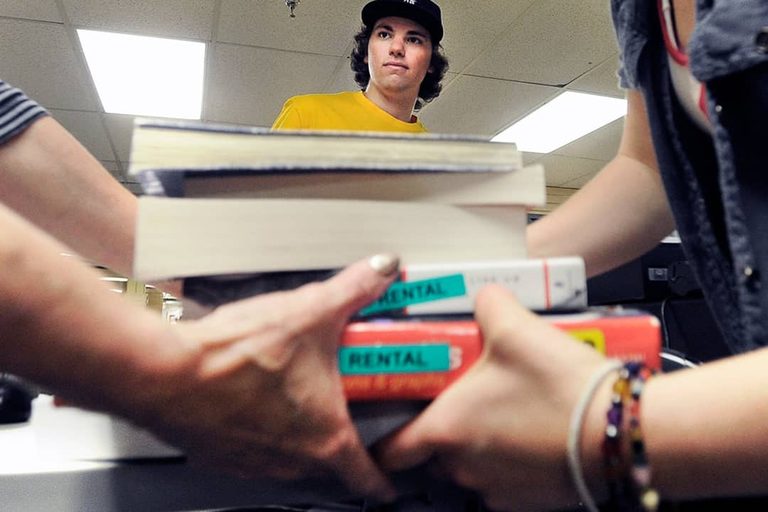
College textbooks remain a major expense. A new hardcover engineering text can exceed $300, but rental sites such as eCampus, BooksRun or BookScouter list the same title for around $60. Digital editions often cost less; for example, the 14th edition of a popular psychology textbook is available as an e‑book for just over $80, compared with nearly $340 for a new paperback.
Buying used copies is another viable route. A new 14th‑edition biology textbook may retail for $210, while the same edition can be found on Amazon for roughly $115. Many rental platforms also run buy‑back programs, allowing students to recoup part of their investment when the semester ends.
Shop Discount Outlets and Liquidation Stores
Major online marketplaces operate outlet sections that sell overstock, open‑box and returned items at reduced prices. Amazon Outlet and Amazon Resale (formerly Warehouse Deals) list everything from electronics to office supplies at markdowns. Brick‑and‑mortar discount divisions such as Best Buy Outlet and IKEA As‑Is also provide quality goods at lower cost.
Automate Savings for Future School Years
Most banks offer automatic‑savings features or round‑up apps that transfer the spare change from everyday purchases into a dedicated savings account. Setting aside a few cents on each coffee purchase can accumulate to over $10 in a year, creating a modest buffer for next year’s expenses.
Side‑hustle apps that pay for simple online tasks—surveys, game testing, or promotional sign‑ups—can generate additional funds. Those earnings can be earmarked for school supplies, reducing the need to dip into the family budget.
Putting It All Together
By combining loyalty points, smart credit‑card use, textbook alternatives, discount‑store shopping, and automated savings, families can significantly lower the financial impact of the back‑to‑school season. The strategies require a bit of planning but can preserve household resources for other priorities, such as family activities or charitable giving.
Original reporting: KTVZ (Central Oregon) — read the source article.