Intense heat and dry conditions have prompted water restrictions across many regions. Whether you live in a drought‑prone area or simply want to reduce your water use, a few adjustments to your yard can save water, money, and time.
Replace High‑Water Plants with Drought‑Friendly Options
Traditional lawns often require a lot of water to stay green. Consider swapping portions of grass for mulch, ground cover, drought‑tolerant plants, or ornamental grasses that need less moisture to thrive.
Let Your Grass Grow a Bit Longer
Keeping grass at about three to four and a half inches tall helps shade the soil, reducing evaporation. Taller grass also develops deeper roots, allowing it to access moisture farther below the surface.
Use Mulch Mode When Mowing
Instead of bagging clippings, set your mower to mulch mode. The shredded grass returns nutrients to the soil and helps retain moisture.
Adopt Smart Watering Practices
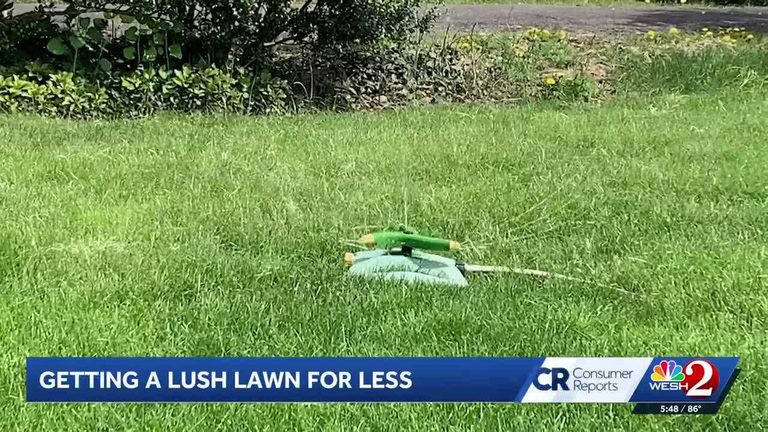
Avoid watering during the hottest part of the day, when evaporation is greatest. Soaker hoses and drip‑irrigation systems deliver water slowly and directly to where it’s needed, minimizing waste.
Collect Rainwater for Outdoor Use
Installing a rain barrel lets you capture runoff for watering plants or washing your car. While rainwater isn’t suitable for drinking or cooking, it reduces reliance on treated tap water for outdoor chores. Note that water from a barrel may have low pressure; placing the barrel on a sturdy stand can improve flow.
Simple Water‑Saving Habits
Instead of hosing down driveways, steps, or decks, use a broom. When washing your car, fill a bucket rather than running a hose, or choose a commercial car wash that recycles water.
These modest adjustments to lawn care and outdoor tasks can add up to meaningful water savings, especially during the hottest and driest months of the year.
Original reporting: WESH Orlando — read the source article.