What do you actually see at Dyke Marsh, and is it worth going out of your way for?
On a Tuesday morning in late October, the parking lot off the George Washington Parkway near Belle Haven is nearly empty. That changes fast on weekends, but midweek you might share the main boardwalk trail with two birdwatchers and a woman walking a very old beagle. It takes about forty-five minutes to walk the full loop — out along the marshy edge of the Potomac and back through a thin corridor of sycamores — and by the time you reach the end of the boardwalk, you understand why people make a special trip.
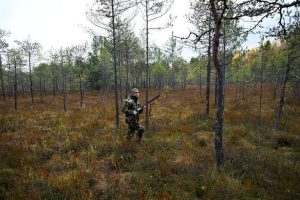
Dyke Marsh is one of the largest remaining freshwater tidal wetlands in the mid-Atlantic region, about 380 acres sitting between Alexandria’s southern edge and the river. The marsh itself looks almost tropical in summer, thick with cattails and great blue herons wading slow and deliberate through the shallows. In fall, the grasses go gold and rust, and the light off the water at 8 a.m. is genuinely something. There are no food trucks, no interpretive kiosks with speakers, no admission fee. It is just the marsh and whatever birds happen to be working it that morning.
And there are a lot of birds. The Friends of Dyke Marsh, a volunteer group that has been monitoring the preserve since the 1970s, keeps a running species checklist that runs over 290. Ospreys hunt here through early fall. Bald eagles pass through regularly enough that regulars barely mention them. In winter, ruddy ducks and buffleheads show up in the open water. If you bring binoculars and any patience at all, you will see something worth stopping for.
The main trail begins at the Belle Haven Picnic Area off the parkway — the same turnoff for Belle Haven Marina — and runs roughly a mile and a half round trip on a combination of gravel path and a boardwalk that extends out over the marsh itself. The boardwalk can be slick after rain, so closed-toe shoes are a real recommendation, not a cautious one. Dogs are welcome on leash. The trail is flat throughout and stroller-accessible except for a few soft spots after heavy rain.
One practical note: the parking lot fills by 9 a.m. on weekend mornings, especially spring and fall. Get there early or take the bike path down from Old Town, which is a pleasant four-mile ride along the river. There are no bathrooms at the trailhead itself; the marina has facilities, but they keep seasonal hours.
The preserve has a complicated history. Fill dumping and dredging through the mid-twentieth century shrank the marsh significantly before federal protections and sustained volunteer monitoring helped stabilize it. The Friends of Dyke Marsh still conduct weekly bird surveys and have pushed back against development pressure along the shoreline for decades. That backstory is worth knowing because it explains why the place feels as intact as it does — it didn’t stay this way by accident.
Cost is nothing. Parking is free. What you get is a morning that moves at a different pace than the rest of Alexandria: quiet, specific, and oddly restorative if you give it time to settle. For people who live nearby and have somehow never made the turn off the parkway, it’s worth correcting that.