Portland, Oregon – Independent bookseller Scott Brown of Downtown Brown Books has raised the alarm that artificial‑intelligence companies are systematically scanning and then destroying physical books. Brown, who writes a Substack called Dispatches from the Rare Book Trade, says the practice threatens the supply of rare and non‑mainstream titles that small booksellers rely on.
Legal backdrop and scale of the problem
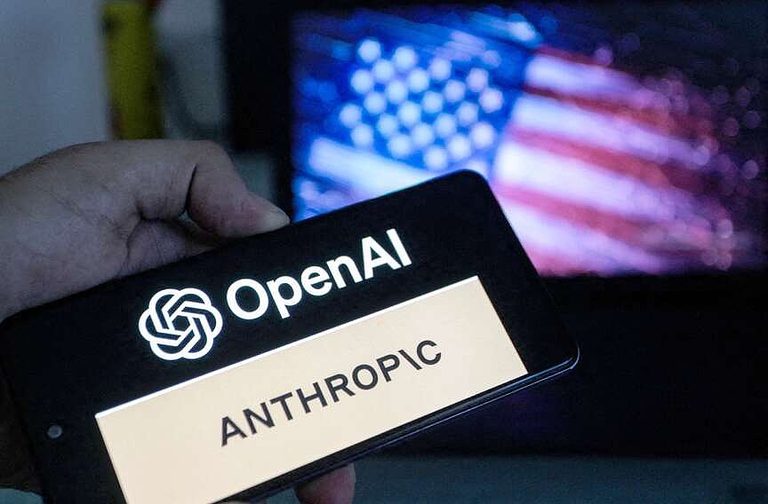
Brown points to the recent class‑action lawsuit Bartz v. Anthropic, which revealed the AI firm’s “Project Panama.” The court documents showed a contract to scan up to two million books, with the scanned copies destroyed after being fed into the AI model. The judge’s ruling permits a “one‑book‑in, one‑book‑out” approach, but the original volumes are lost forever.
Brown estimates the true number of books being destroyed runs into the tens of millions, far beyond the Anthropic case. He notes that many AI firms now place large orders through marketplaces, sending shipments to warehouses such as an Amazon facility in Las Vegas, where employees cut bindings and scan pages before recycling the physical copies.
Impact on rare books and small retailers
While best‑selling titles like Stephen King may have abundant copies, many older or niche works exist in only a handful of copies worldwide. Brown warns that AI firms are buying these scarce volumes en masse, removing them from the market and leaving human readers and collectors with fewer options.
Local booksellers echo his concerns. Nathan Gabbard of Owl Creek Books in Los Angeles, who also practices law, says he has not sold directly to AI firms but recognizes the ethical dilemma. “If I’m entrusted as a rare antiquarian dealer, I want to find these items a good home where they will be appreciated,” he said, emphasizing a principled stance against mass destruction.
Booksellers caught between compliance and conscience
Online marketplaces penalize sellers with lower fulfillment ratings when they cancel orders, forcing booksellers to choose between protecting books and maintaining their reputation. Brown recounts a recent 51‑book order for an AI client that he could not fully decline without harming his seller rating.
He urges AI companies to adopt a more responsible approach, suggesting they use lower‑quality or already‑damaged copies for training rather than unique, signed, or historically valuable editions.
What can readers do?
Brown encourages readers to support independent bookstores and to be aware of where their purchases may end up. By choosing to buy from local shops, consumers help preserve the physical book market and keep rare titles out of the hands of machines that will ultimately shred them.
Original reporting: Texarkana Gazette — read the source article.