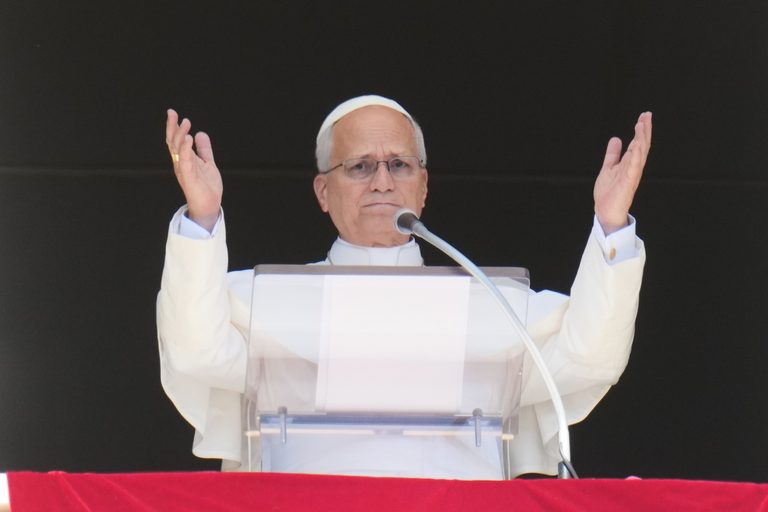
In a move that will resonate with Catholic families across the continent, Pope Leo XIV is set to embark on his longest papal journey to date, traveling to Uruguay, Argentina and Peru from November 6 to 17. The itinerary, released by the Vatican on Monday, highlights the pontiff’s personal connection to the region – he was born in the United States, holds Peruvian citizenship, and spent two decades serving as a priest and bishop in Peru.
Uruguay: A Home‑coming to a Challenged Neighborhood
The trip begins in Uruguay, where the Pope will visit a parish in the Casavalle district on the outskirts of Montevideo. Casavalle is known for its struggles with drug trafficking and gang activity, making the Pope’s presence a powerful symbol of hope for families seeking safety and stability. While Uruguay’s secular identity designates Christmas as Family Day and Holy Week as Tourism Week, the visit will also coincide with the celebration of the country’s patron saint, Our Lady of the Thirty‑Three, on November 8.
Argentina: Meeting President Javier Milei Amid Austerity Debates
After Uruguay, Leo XIV will land in Buenos Aires, where officials anticipate a crowd of roughly seven million people. The Pope will meet with libertarian President Javier Milei, a leader who has sharply cut government spending and faced criticism from Argentine church leaders for prioritizing economic orthodoxy over the needs of the poor. Milei once labeled Pope Francis, the late Argentine pontiff, “the representative of evil on Earth.”
During the Argentine leg, the Pope will visit the Don Orione care home in Claypole, a Catholic facility that cares for more than 300 individuals with disabilities. The stop carries political weight, as Milei’s austerity program has reduced funding for disability services, a flashpoint in ongoing debates about social‑justice priorities.
Foreign Minister Pablo Quirno, speaking at a press conference, emphasized that there are “no fundamental differences” between the Milei administration and the Catholic Church, noting the president’s opposition to abortion and his claim that poverty has been cut in half.
Peru: Returning to the Diocese of Chiclayo
The highlight of the tour will be the Pope’s return to Peru, where he will celebrate Mass in his former diocese of Chiclayo. The region expects an estimated one million faithful to gather at the Pampas de Pimentel, a 300‑hectare site overlooking the Pacific Ocean. Leo XIV will also pray at a chapel dedicated to St. Oscar Romero, a figure revered by the working class for defending the poor against repression.
In Cusco, the former capital of the Inca empire, the Pope will hold Mass in the main square, a location steeped in history from the colonial era to the present day. Later, on November 15, he will travel to Pucallpa in the Amazon basin to honor Peru’s Indigenous peoples with a special liturgy.
Significance for Faithful Families
For Catholic families across Latin America, the Pope’s itinerary underscores a commitment to pastoral outreach in regions facing economic hardship, social unrest, and cultural change. By revisiting the churches, schools, and charitable institutions where he once served, Leo XIV signals a continuity of faith‑based service that aligns with the values of traditional families and the sanctity of life.
The trip also offers an opportunity for dialogue between the Vatican and governments navigating the balance between fiscal responsibility and social‑justice obligations. While President Milei’s policies have sparked criticism from some church leaders, the Pope’s presence may foster a spirit of cooperation rooted in shared moral principles.
As the world watches this historic journey, the Pope’s message will likely focus on unity, compassion for the poor, and the enduring role of the Catholic faith in shaping resilient, family‑centered communities throughout Latin America.
Original reporting: Alexandria, VA News – WTOP News — read the source article.