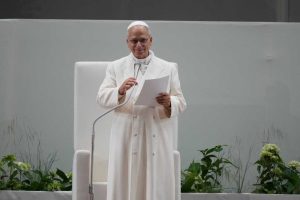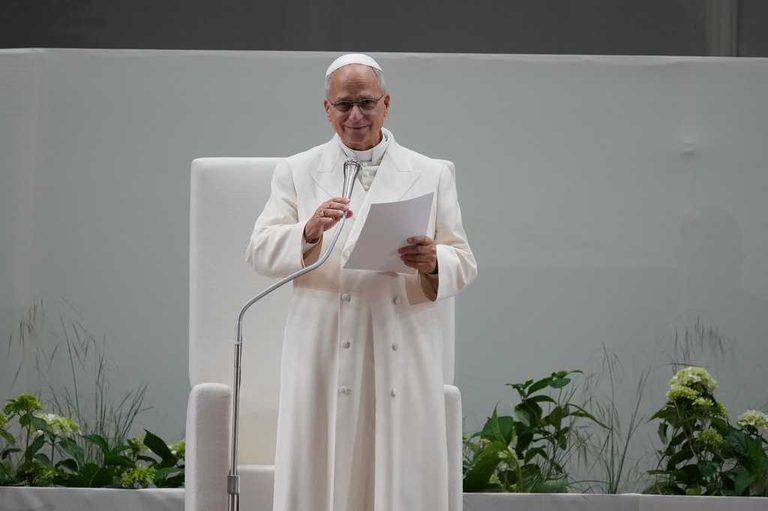
Pope Leo XIV concluded his Uruguay visit on Sunday by celebrating the feast of the Virgin of the Thirty‑three in the city of Florida, a tradition that draws thousands of pilgrims each year. The ceremony highlighted the historic link between Uruguay’s independence and the Catholic faith, reminding locals that the Church remains a core part of their national identity despite decades of secularism.
From Uruguay to Argentina: a delicate diplomatic step
Following the Florida event, the pontiff will travel to Buenos Aires for the second leg of his three‑nation South American tour. The Argentine stop is expected to be the most politically sensitive, as President Javier Milei’s libertarian government has sharply reduced social spending and embraced artificial‑intelligence investment with minimal regulation.
President Milei is slated to greet Pope Leo XIV at the Buenos Aires airport before both leaders appear together for the traditional welcome ceremony and exchange speeches. Observers anticipate a tense atmosphere, given Milei’s austerity program that has slashed the nation’s health‑care budget by 48 % in real terms and provoked student protests over cuts to public universities.
Church leaders criticize the austerity agenda
Argentina’s Catholic hierarchy has openly condemned the government’s spending cuts, arguing that they place economic orthodoxy ahead of the poor. The Pope’s visit offers an opportunity for the Church to reaffirm its advocacy for the marginalized, a theme consistent with his predecessor’s legacy.
According to official data, poverty affected 32.3 % of Argentines in the first half of 2026, roughly 15 million people. Church officials contend that the severe reductions in health and education funding exacerbate this hardship.
AI, environment and the Pope’s warning
While Milei courts AI investors and promises limited regulation for data‑center development, Pope Leo XIV has warned of the existential and environmental risks posed by an unchecked AI race. He called for strict, internationally coordinated safeguards to protect humanity.
Continuing Francis’ unfinished mission
The Argentine leg also serves to complete work left by Pope Francis, who never returned to his native country after becoming pontiff. Scholars note that Francis’ tenure in Buenos Aires was marked by a strong focus on the poor, a stance that continues to shape the Church’s relationship with Argentine politics.
“There is considerable disagreement over Francis’s legacy in Argentina,” said David Lantigua, a theology professor at the University of Notre Dame’s Kellogg Institute. “The tension between the Church’s advocacy for the poor and Milei’s austerity measures is likely to surface during Leo’s visit.”
Health and vigor of the Pope
Despite undergoing lung surgery on Oct. 13 to remove a cancerous tumor, Pope Leo XIV, 71, has appeared energetic, greeting crowds from the popemobile, singing, and climbing stairs without missing any scheduled events.
“This visit reinforces the image of Leo as a leader not only in a spiritual sense but also as a political figure who does not shy away from conflict,” said Luis Bahamondes, a professor at the Center for Judaic Studies, University of Chile.
What’s next?
After the Argentine engagement, the Pope will travel to Peru, his second homeland, to conclude the South American tour. The outcomes of his meetings with Milei and Argentine church leaders could influence the broader dialogue between faith and government policy across the continent.
Original reporting: WESH Orlando — read the source article.