Washington—A new Reuters/Ipsos poll released Sunday reveals that a clear majority of Americans are uneasy with President Trump’s recent actions aimed at Canada. The three‑day online survey of 1,023 U.S. adults found that only 20% support the administration’s decision to raise tariffs on Canadian goods, while 57% oppose the measure and 21% remain undecided.
Tariff opposition amid cost‑of‑living concerns
Respondents cited rising gasoline prices and broader cost‑of‑living pressures as key reasons for their stance. The poll notes that many households are still feeling the impact of higher fuel costs that began after President Trump launched a renewed campaign against Iran in February. Voters identified the cost of living as the top issue influencing their choices in the upcoming November 3 midterm elections.
Despite the opposition, the administration maintains that the tariff increase is intended to protect American manufacturers and workers from what it views as unfair Canadian trade practices. President Trump’s allies argue that a firm stance is necessary to secure better terms in future negotiations, even as trade talks between the two nations have stalled.
Renaming Lake Ontario sparks public backlash
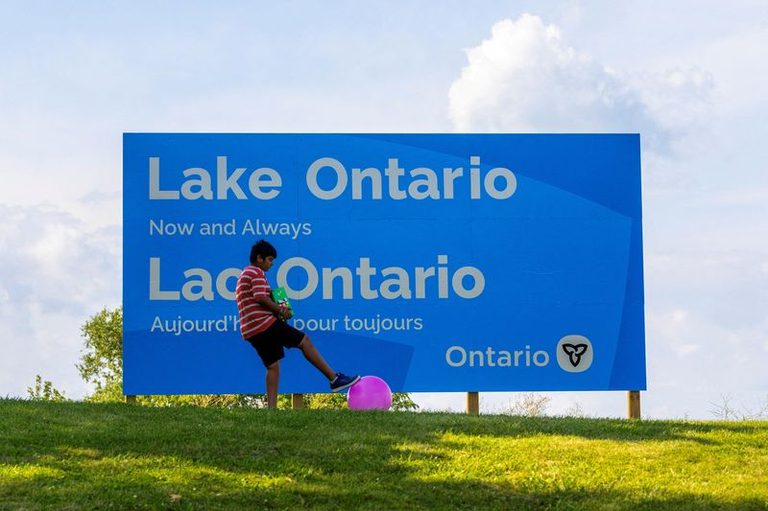
In a separate but related move, President Trump ordered the federal designation of Lake Ontario as “Lake America.” The poll shows that just 14% of respondents support the name change, while 63% oppose it and the remainder are unsure. The lake, one of the five Great Lakes, has carried its historic name for more than four centuries.
The president’s decision follows a pattern of symbolic actions aimed at emphasizing American sovereignty. Earlier this term, he directed that the Gulf of Mexico be referred to as the “Gulf of America.” While these designations apply only to U.S. federal usage and do not affect how Canada or international bodies label the bodies of water, they have drawn criticism from both sides of the political aisle.
Political implications
The poll’s findings arrive at a moment when President Trump’s approval rating is reported to be at its lowest point in his political career. Republican lawmakers, many of whom are defending slim majorities in Congress, will need to navigate the public’s skepticism as they prepare for the midterm contests.
Nevertheless, the administration continues to frame these actions as part of a broader effort to prioritize American interests, protect jobs, and assert national pride. Supporters argue that standing up to a long‑time trading partner sends a clear message that the United States will not accept policies perceived as disadvantageous.
Looking ahead
As the midterm elections approach, the data suggests that voters will weigh the administration’s trade and symbolic policies alongside everyday economic concerns. Whether the tariff increase and lake renaming will become decisive issues on the ballot remains to be seen, but the poll underscores a significant gap between the president’s initiatives and public sentiment.
Original reporting: Appleton, WI News Feed (HLL/CB) — read the source article.