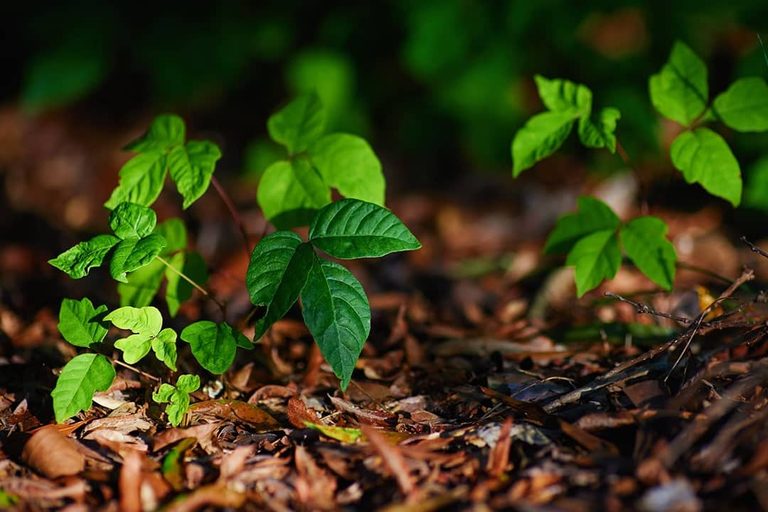
Many families worry that a poison ivy rash can be passed to others, but medical experts confirm the rash itself is not contagious. The only substance that triggers a reaction is urushiol, the oily resin found on poison ivy, poison oak, and poison sumac.
Urushiol is the sole cause
Urushiol is produced by the plant and must make direct or indirect contact with skin to cause a reaction. It is colorless, odorless, and remains active on surfaces for years. Contact with another person’s rash, blisters, or weeping skin will not spread the oil.
Common myths clarified
- Scratching spreads the rash: By the time blisters form, urushiol has already been absorbed or washed away. The fluid inside blisters is serum, not urushiol, and breaking blisters does not cause new patches.
- The rash keeps spreading: Different skin areas react at different speeds. Thicker skin, such as on palms and soles, absorbs urushiol more slowly, so symptoms may appear a day or two later, giving the impression of spread.
- Someone with a bad rash can give it to you: Transmission only occurs through direct contact with the plant or contaminated objects, not through another person’s skin.
How urushiol spreads indirectly
Urushiol can cling to gardening gloves, pruning shears, boots, tents, clothing, and even pet fur. It binds tightly to surfaces and can stay active for one to five years if not properly cleaned. Burning poison ivy releases airborne urushiol particles, which can cause severe respiratory irritation and require emergency medical care.
Preventing and cleaning up exposure
Skin: Wash exposed areas with lukewarm water and soap as soon as possible. Products like Tecnu or Zanfel can help remove urushiol within a few hours. Rubbing alcohol before washing may also break down the oil.
Clothing and fabric: Launder separately in hot water with a full detergent cycle. Wear gloves when handling contaminated items and clean the washing machine drum afterward.
Hard surfaces and tools: Wipe with 70% (or higher) isopropyl alcohol, then wash with soap and water. Disposable gloves and paper towels are useful for cleanup to avoid further spread.
Pets: Rinse pets with water while wearing rubber gloves, then wash with pet shampoo. Pets rarely show a reaction but can carry urushiol on their fur.
When to seek medical care
Most mild reactions resolve on their own within one to three weeks. Seek professional care if the rash covers a large area, involves the face or genitals, or if you inhale smoke from burning poison ivy. Telehealth providers can evaluate photos and prescribe oral steroids when needed.
Key takeaways
- The rash is not contagious; only urushiol causes new reactions.
- Scratching does not spread the rash.
- Different skin areas may appear to develop the rash at different times.
- Urushiol can linger on objects for years; thorough cleaning is essential.
- Burning poison ivy is dangerous and can cause life‑threatening respiratory issues.
Original reporting: KRDO (Colorado Springs metro) — read the source article.