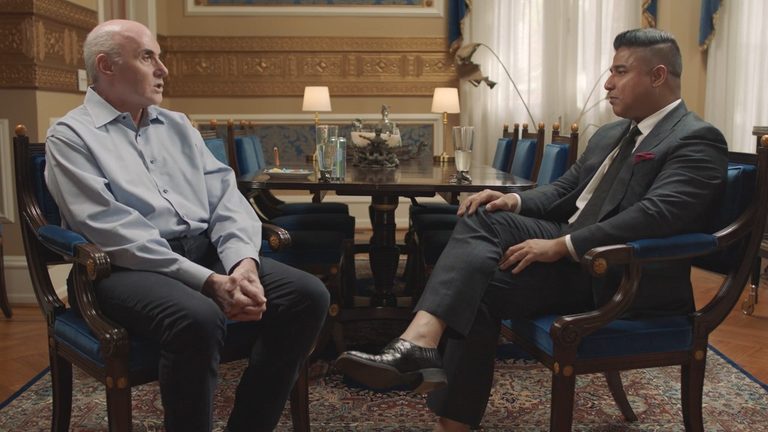
Philadelphia – On the latest episode of Overheard with Ajay Raju, Penn Medicine’s Dr. Drew Weissman, co‑recipient of the 2023 Nobel Prize in Physiology or Medicine, reflected on the development of mRNA technology and its role in ending the COVID‑19 pandemic. The conversation, recorded in his hometown, underscored both the scientific triumphs and the public‑health challenges that lie ahead.
From a photocopier to a Nobel Prize
Weissman recounted how, in 1997, he met Dr. Katalin Karikó at a Penn Medicine photocopier while both were fighting over the machine to copy journal articles. Their unlikely partnership produced the mRNA platform that now powers the COVID‑19 vaccines and earned them the 2023 Nobel Prize. At the time, many drug companies and funders had dismissed RNA after a series of failed trials. Undeterred, Weissman and Karikó persisted. Their 2005 discovery that modified mRNA would not trigger the immune system, combined with lipid‑nanoparticle delivery solutions developed around 2010, created a ready‑to‑use platform. “The platform was ready to go,” Weissman told Raju, “It was basically waiting for the COVID‑19 pandemic to hit.”
Vaccines, misinformation and political criticism
Weissman spoke bluntly about the wave of criticism from opponents that turned vaccines into a partisan fight. He emphasized that the primary purpose of the vaccines was to prevent serious illness and death, not to stop infection entirely. “It was never intended to prevent infection,” he said, correcting a common misunderstanding that fuels vaccine hesitancy.
Future promise of mRNA
The Nobel laureate highlighted emerging applications of mRNA beyond COVID‑19. Early trials of mRNA cancer vaccines have shown success in melanoma and pancreatic cancer, and data on breast cancer are expected soon. However, he warned that recent funding cuts could allow China to overtake the United States in this critical research arena.
Building global capacity
Beyond the laboratory, Weissman is helping other nations develop their own vaccine capabilities. In Thailand, a decade‑long partnership produced a home‑grown RNA COVID‑19 vaccine that has now evolved into a pan‑coronavirus candidate completing phase‑three trials. This effort reflects his belief that the technology belongs to the world, even though its roots lie in Philadelphia.
America’s readiness for the next pandemic
When asked whether the United States is prepared for the next pandemic, Weissman answered unequivocally, “No.” He argued for a proactive approach: developing vaccines before outbreaks occur and maintaining robust childhood immunization programs to avoid a resurgence of diseases like polio.
Inspiring the next generation
Raju closed the interview with a tribute to Weissman’s humility and dedication. The scientist urged young people to pursue their passions without compromising kindness, noting that success does not require becoming a “jerk.” His story serves as a reminder that groundbreaking science can emerge from local institutions and that Philadelphia’s research community continues to shape global health.
Listeners can watch the full conversation on the Overheard with Ajay Raju website.
Original reporting: Allentown News – 6abc Philadelphia — read the source article.