There is a road that begins just a short drive south of Woodland Park and ends somewhere entirely different — not just geographically, but emotionally. Phantom Canyon Road, the old narrow-gauge railroad grade that once hauled gold ore from the boomtown of Victor down to Cañon City, is one of Colorado’s most breathtaking and least-hyped scenic drives. If you have never taken it, clear your schedule, charge your camera, and prepare to be genuinely floored.
The route picks up off Highway 67 south of Woodland Park, winding through the canyon carved by Eight Mile Creek before threading south through Fremont County toward the Arkansas River valley. The road is roughly 37 miles of unpaved, maintained gravel — perfectly manageable in a standard passenger vehicle during dry conditions, though a truck or SUV gives you a little more peace of mind on the narrower ledges. Plan on two to three hours one way if you stop to take it all in, and you absolutely will stop.
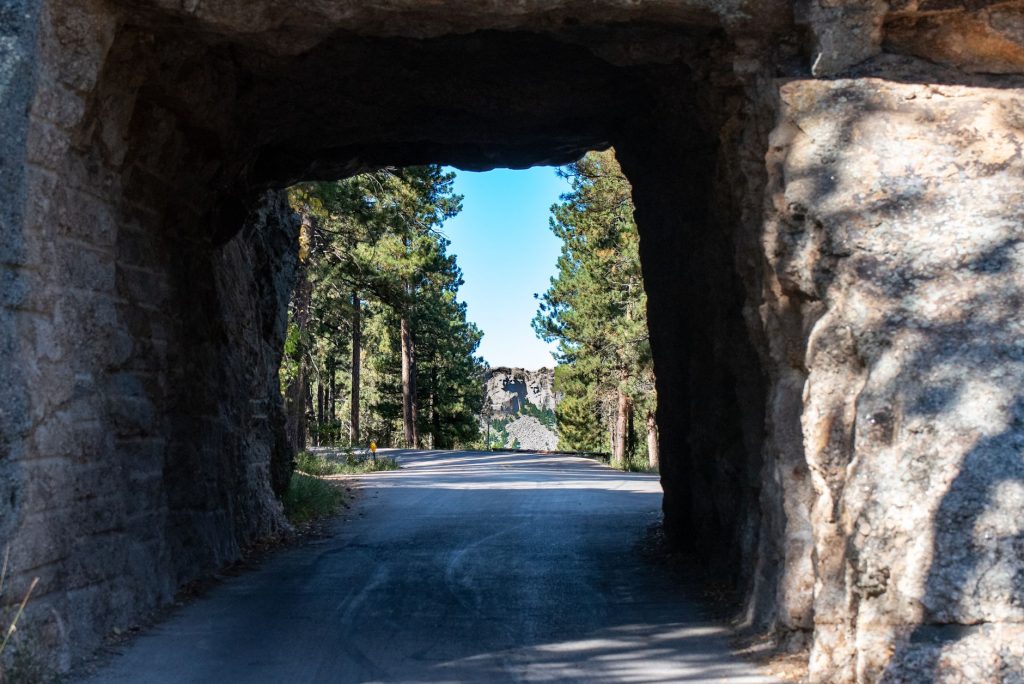
What makes Phantom Canyon so special is its layered sense of history and wildness existing simultaneously. The road was originally built in the 1890s as the Florence and Cripple Creek Railroad — gold fever does extraordinary things to civil engineering — and you can still see remnants of old tunnels, wooden trestles, and stone bridges tucked into the canyon walls. Two of the original tunnels are still part of the drive, and passing through them with your windows cracked, listening to the creek rushing below, is one of those moments that reminds you why road trips exist in the first place.
The canyon itself shifts dramatically as you move south. Near the Woodland Park end, ponderosa pine and scrub oak crowd the ridgelines. Lower down, the walls tighten, granite formations push in close on both sides, and the creek — still cold, still lively — reappears and disappears alongside you like a companion keeping pace. In late spring, wildflowers push through the canyon floor in colors that seem almost unreasonably vivid against the gray rock. By fall, the scrub oak turns a warm copper-gold that photographers drive specifically from Denver to catch.
Wildlife sightings are genuinely common here. Mule deer, wild turkey, and the occasional black bear have been spotted along the corridor. Bighorn sheep sometimes appear on the upper canyon walls, and if you catch the road early on a weekday morning, you may find yourself completely alone out there — just the creek, the canyon, and the sense that you have stepped into a part of Colorado that tourist brochures somehow keep overlooking.
There is no fee, no reservation, no trailhead kiosk. You simply drive in and let the canyon do its work. Teller County Road 67 south of Woodland Park will point you in the right direction, and from there, Phantom Canyon takes over entirely.
A few practical notes worth keeping in mind: the road is typically closed in winter and during periods of heavy rain or flash flood risk, so check Fremont County road conditions before you head out. Bring water, snacks, and a full tank of gas — there are no services along the route. Cell service disappears quickly once you drop into the canyon, which is either a warning or a selling point depending on your disposition. For most people who make this drive, it quickly becomes the latter.
If you are basing yourself in Woodland Park for a long weekend, Phantom Canyon Road deserves at least half a day. Drive it south in the morning with the light angled into the canyon walls, loop into Cañon City for lunch along the Arkansas, and return north on Highway 50 and 115 through Penrose and Florissant for a completely different kind of Colorado scenery on the way home. It is one of those regional loops that locals guard with a certain proprietary pride — the kind of route that does not need a marketing campaign because the canyon speaks perfectly well for itself.