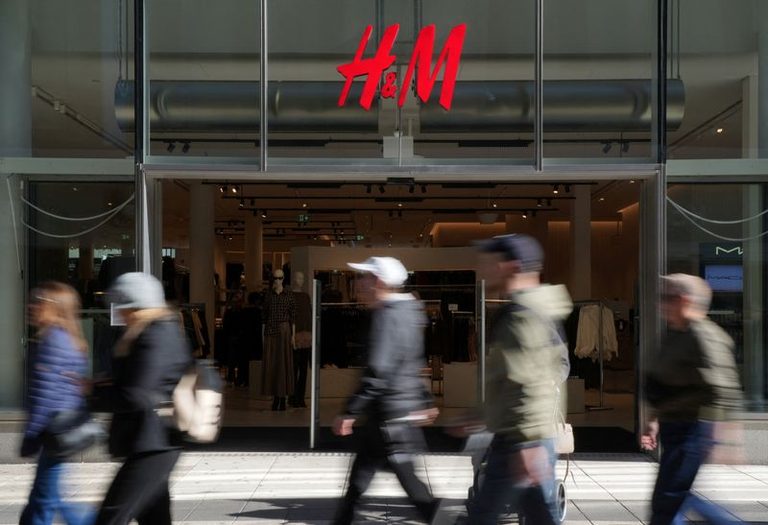
Stockholm – The Persson family, long‑time owners of fast‑fashion giant H&M, are quietly expanding their shareholding as the company’s turnaround under CEO Daniel Erver shows limited progress. Regulatory filings reveal that Ramsbury Invest, the family’s holding company led by Sweden’s richest person Stefan Persson, has purchased 36.8 million H&M shares so far in 2026.
Family ownership now exceeds two‑thirds
According to H&M’s own website, the Persson family and related entities own more than 68% of the company’s outstanding shares at the end of August, up from roughly 49.5% at the start of 2021. The rapid increase has sparked speculation that the family could eventually take the retailer private, a move that would require a 90% ownership threshold under Swedish law.
Turnaround challenges persist
Erver, who assumed the chief executive role in January 2024, was tasked with restoring profitability and strengthening the brand. Yet sales have struggled to gain traction. The first quarter of 2026 saw a 1% decline in revenue, and the second quarter was flat. Analysts expect only modest growth in the upcoming third‑quarter report.
Competition from ultra‑cheap online players such as Shein and the continued strength of Zara’s parent company Inditex have further pressured H&M’s market share. Since its 2015 peak, the stock has lost more than half of its value.
What the family says
When asked about the share purchases, a spokesperson for Ramsbury Invest declined to comment on any privatization plans, stating simply, “The Persson family believes in the company, are long‑term owners and have historically increased their ownership over time.”
Expert views
Sverre Linton, chief legal officer of the Swedish Shareholders’ Association, warned that the family’s strategy appears to be a “slow buyout,” noting that minority shareholders would be best served by either a successful turnaround that lifts the share price or a “decent” cash offer from the Perssons.
Deutsche Bank analyst Adam Cochrane projects that the family could complete a full privatization by 2030 if the current trajectory continues. Peter Magnusson, a portfolio manager at Cicero Fonder, suggested that the family may be reacting to negative market feedback and prefers to operate outside the public market to pursue longer‑term strategies.
Implications for investors
For remaining shareholders, the expanding family stake presents a clear signal that the Perssons are prepared to support H&M through a challenging period. While a private takeover could provide a clean exit for minority investors, it also raises questions about future governance and strategic direction under a more concentrated ownership structure.
In the meantime, H&M’s board has not announced any formal offer, and the company continues to focus on cost‑control measures and brand revitalization. The upcoming quarterly earnings release on Thursday will be closely watched for any signs of improvement.
Looking ahead
The next few months will be critical for H&M. If sales begin to rebound, the family may opt for a cash offer that rewards shareholders. If performance remains flat, the likelihood of a full buyout grows, potentially reshaping the global fast‑fashion landscape under the stewardship of the Persson family.
Original reporting: Appleton, WI News Feed (HLL/CB) — read the source article.