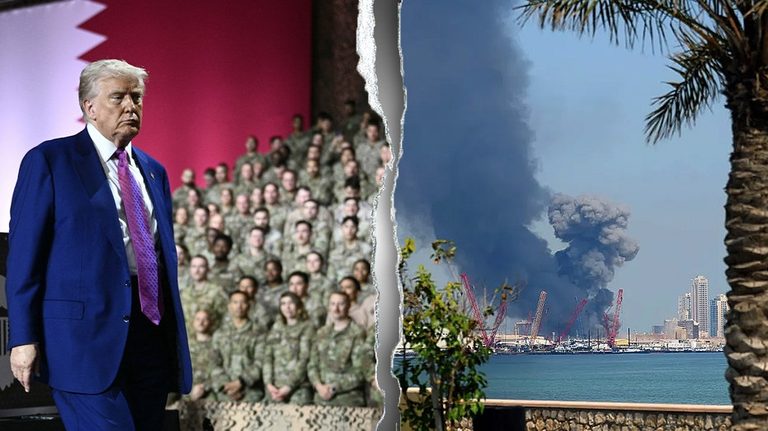
The Pentagon is weighing whether to disperse military capabilities across a broader network of facilities in the Middle East, following weeks of Iranian missile and drone attacks on major U.S. military bases in the Gulf.
Background
The U.S. has maintained a network of major bases in the Gulf for decades, including Al Udeid Air Base in Qatar and Naval Support Activity Bahrain, to quickly respond to threats in the region. However, the recent attacks have exposed the vulnerability of these bases to Iranian missiles and drones.
Defense officials are considering moving some bases or functions further west, relocating certain operations to Israel, and reducing the U.S. presence at some installations in Kuwait and Saudi Arabia. The goal is to reduce the risk of a single strike disabling a critical U.S. capability.
Implications
The potential changes to the U.S. base strategy in the Middle East could have significant implications for the region. While dispersing forces and reducing reliance on large bases may make U.S. troops harder to hit, it could also slow down the U.S. response to crises in the region.
Former counterterrorism director Joe Kent has long pushed for the U.S. to reduce its presence in the Gulf, arguing that the bases are strategic liabilities. Retired Adm. Kevin Donegan, the former commander of the U.S. Navy’s Fifth Fleet, said that the U.S. needs to have access to basing in the Gulf, but that the current strategy may need to be reassessed.
Original reporting: Fox News (HLL/CB) — read the source article.