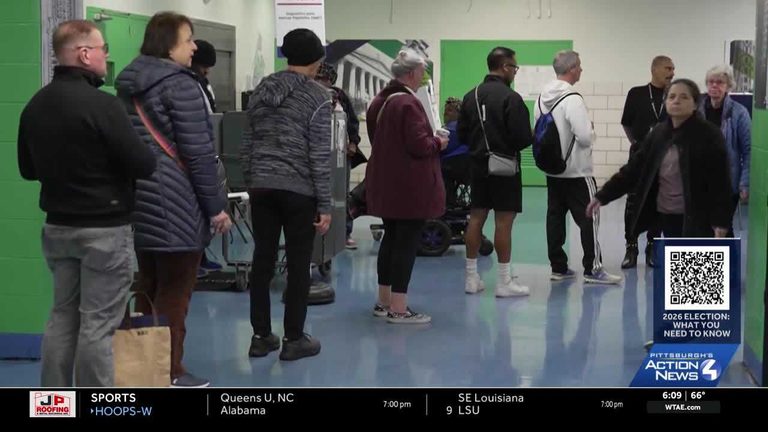
Pennsylvania voters headed to the polls on Nov. 3 faced more than a governor’s race. Both chambers of the Commonwealth’s General Assembly were up for grabs, and the results will shape the state’s policy direction for the next two years.
House remains under Democratic control, but by the slimmest margin
Democrats entered the election holding a narrow 102‑100 majority in the 203‑member House. Special elections earlier this year did not shift that balance. In February, Democrat Ana Tiburcio won House District 22 in Lehigh County and Democrat Jennifer Mazzocco secured District 42 in Allegheny County, preserving two seats for the party.
Republicans captured two seats in March. Catherine Wallen took the 193rd District covering parts of Adams and Cumberland counties with nearly 60% of the vote, and Andrea Verobish won the 79th District in Blair County with more than 57%. Those victories left the House still under Democratic control at 102‑100. A May special election saw Republican George Margetas fill the 196th District seat in York County, a seat that could become competitive again in the future.
Both parties claim momentum. Pennsylvania Democratic Party Chair Eugene DePasquale praised the February wins as a sign that 2025 was just the beginning, while House Republican Leader Jesse Topper, R‑Bedford/Fulton, said the March results set the stage for a new Republican majority in the House.
Senate remains in Republican hands, but Democrats eye a flip
The state Senate, with 50 seats, currently stands at a 27‑23 Republican advantage. Democrats have made taking the chamber a top priority, especially as Governor Josh Shapiro seeks a second term and hopes to advance his agenda with a friendly legislature.
Even a tied Senate would matter because the lieutenant governor presides over the chamber and can break ties, though the tie‑breaking vote does not extend to final passage of bills or joint resolutions. A 25‑25 split would still give the lieutenant governor greater agenda‑setting influence.
Democratic Lieutenant Governor Austin Davis is actively campaigning for Senate candidates, promising to push priorities such as raising the minimum wage to $15 an hour, advancing the governor’s housing action plan, and making homeownership more affordable. His Republican opponent, Jason Richey, is running with state Treasurer Stacy Garrity and says his legal background will help negotiate agreements.
Key Senate races could tip the balance
The 36th Senate District in Lancaster County is a bellwether. Democrat James Malone won the seat in a 2025 special election and now faces Republican state Rep. Tom Jones, who hopes to reclaim the district for his party.
In the 48th Senate District, which covers all of Lebanon County and parts of Berks and Lancaster counties, Republican incumbent Chris Gebhard seeks reelection against Democrat Wayne Moyer, who qualified for the ballot via write‑in votes in the May primary. A victory for Moyer would mark the first time a Democrat represents that district.
Why control matters
Political scientists and local observers stress that the party in control of each chamber determines which proposals reach the floor. “People underestimate the value of having control of the chamber,” said Berwood Yost of Franklin & Marshall College. “A change in power could bring back stalled ideas, especially a higher minimum wage, which is hugely popular among voters and has won when placed on the ballot in other states.”
With the House and Senate poised at the edge of partisan balance, Pennsylvania’s legislative agenda for the next two years will likely be shaped by negotiation, compromise, and strategic voting.
Election logistics
Polls are open from 7 a.m. to 8 p.m. on Election Day, Tuesday, Nov. 3. Voters across the Commonwealth are encouraged to verify their polling locations and bring appropriate identification.
Original reporting: WTAE (Hearst) – local — read the source article.