Fire Station No. 1, the oldest firehouse still standing in Memphis, operated as an active station until 1975. That’s not trivia — it matters when you walk through the door, because the building itself is part of what’s on display. The brickwork, the high ceilings built to accommodate horse-drawn rigs, the brass sliding pole still bolted between floors: none of it is reconstructed. It’s just there, the same as it’s been since 1910.
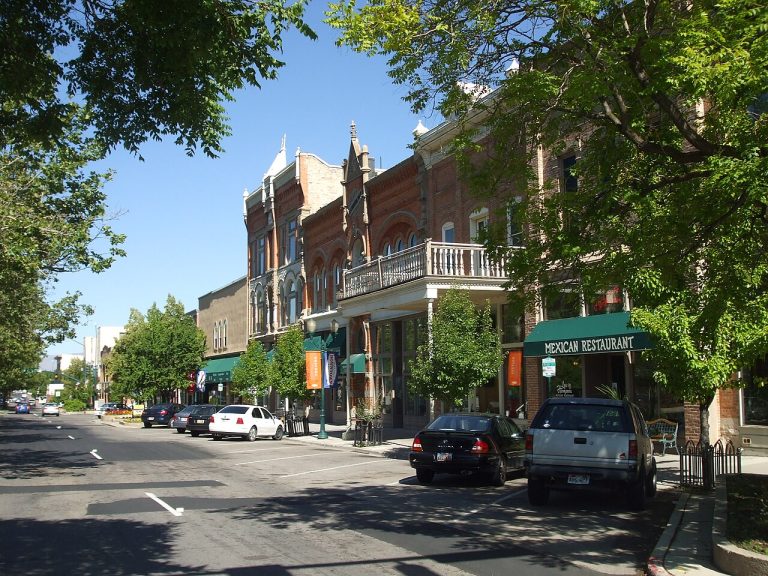
The Memphis Fire Museum sits on Adams Avenue in the medical district, about a ten-minute walk east of the Mississippi. The neighborhood is quiet and institutional — hospitals, old churches, a few law offices — which makes the red-brick firehouse stand out more than it would somewhere louder. Parking on the street is usually easy.
Inside, the collection spans from the mid-1800s through the twentieth century. The centerpiece is a hand-drawn steam pumper from 1860, the kind that required a full crew of men to drag through unpaved streets while a fire was already eating through a building. Next to it sits a 1923 American LaFrance pumper truck in deep red, polished to a degree that makes it look like it arrived this morning. The museum staff — a small, volunteer-heavy operation — clearly take the mechanical history seriously. Labels are specific. If a piece of equipment has a provenance, they tell you.
Upstairs is where the history gets heavier. The exhibits walk through several of Memphis’s major fires, including the catastrophic 1873 yellow fever epidemic, which killed thousands and emptied the city so completely that Memphis briefly lost its city charter. The fire department’s role during that period — hauling bodies, disinfecting homes, keeping some civic order when most of the population had fled — is covered with enough detail to give you a real sense of what a mid-nineteenth-century disaster looked like from the ground.
There’s also a working fire safety education room aimed at kids, with a mock living room where children learn what to do if a fire starts. It sounds like a minor addition, but on a weekend afternoon, that room fills up fast. Memphis public schools bring groups here regularly during the week. It’s the kind of place that works both ways: genuinely interesting for adults, genuinely useful for children.
Admission is cheap — around four or five dollars for adults, less for kids, and there are discounts for seniors and groups. Hours run Tuesday through Saturday, roughly ten to five, though it’s worth calling ahead or checking their current schedule since the volunteer staff means hours can shift.
What makes the Memphis Fire Museum worth a visit isn’t spectacle. There’s no interactive simulation, no IMAX component, nothing that tries to compete with a bigger budget. What it has is specificity: the actual equipment, the actual building, the actual records. The 1878 fire map on the wall showing which neighborhoods burned and which survived is the kind of artifact you won’t find anywhere else. The museum doesn’t oversell what it has. It just shows you the thing.
If you’re already making a circuit of downtown Memphis landmarks — Adams Avenue has Magevney House nearby, St. Peter’s Catholic Church a few blocks over — the Fire Museum fits naturally into a half-day on foot. It takes about an hour to move through deliberately, less if you’re rushing. Don’t rush.