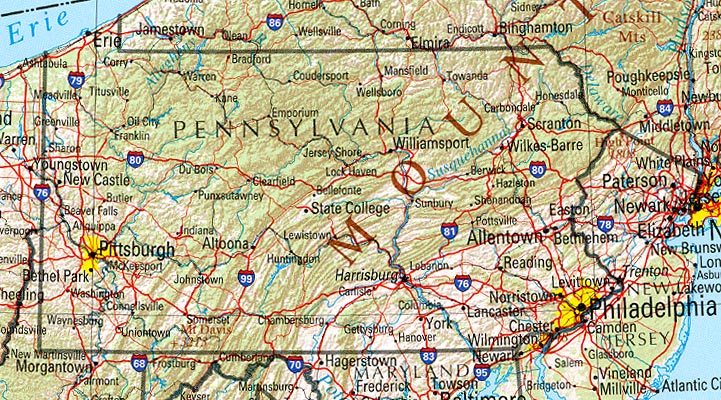
Pennsylvania is facing a housing shock: four out of five households can no longer afford a newly built home in the commonwealth, with an 80% affordability gap that outpaces the national average of 65%. That sharp disconnect between what builders price and what households can buy is reshaping communities from Pittsburgh to Philadelphia, forcing officials and residents to ask whether the state’s housing market still delivers middle-class opportunity. This article walks through the numbers, the forces pushing prices up, and the practical policy levers that could widen access to new homes for more Pennsylvanians.
When 80% of households are effectively priced out, the problem is more than a statistic; it’s a sign that the pipeline of new housing is aimed at buyers far above the incomes of typical families. Builders are responding to where returns are highest, which often means producing fewer starter homes and more high-margin, high-priced units. The result is a shrinking footprint for first-time buyers and young families who once relied on new construction as a path into homeownership.
Several clear drivers push newly built homes beyond reach. Land and permitting costs have climbed, adding thousands to final prices before a single nail is driven. Labor shortages and higher materials costs after pandemic disruptions have further inflated production budgets, while financing and regulatory fees stack on top of construction expenses.
Zoning and local rules play a quiet but powerful role. When single-family zoning dominates large swaths of suburbs and boroughs, the supply of smaller, more affordable product dries up. Municipal resistance to denser building types — duplexes, townhomes, and small apartment buildings — restricts options for households that don’t need or can’t afford large detached homes.
Credit conditions and income trends make the market even less forgiving. Mortgage rates and lending standards shape who can qualify, and real wage growth for many households has lagged behind housing price increases. That mismatch leaves many earners unable to bridge the gap between what they can afford and what builders deliver.
There are practical moves that can help close the divide without undermining community character. Streamlining permitting and cutting duplicative fees can shave meaningful costs off new homes, allowing builders to offer lower price points. Updating zoning to allow modest density near transit and services opens options for smaller households and can concentrate growth where it makes sense.
Private sector innovation matters too. Modular construction, factory-built components, and standardization reduce on-site labor needs and compress build schedules, lowering overhead and risk for developers. Pairing those techniques with targeted incentives for affordable product — such as fee waivers or tax credits tied to price-restricted sales — can nudge the market toward more attainable homes.
Tackling affordability in Pennsylvania will require coordinated action across state and local levels, aligned with market realities. Policymakers can encourage a mix of supply-side reforms, workforce training for construction trades, and smart incentives that reward building for a broader range of incomes. If the commonwealth wants to preserve its middle-class promise, it must change how new housing is planned, permitted, and produced so more households can buy the next generation of homes.