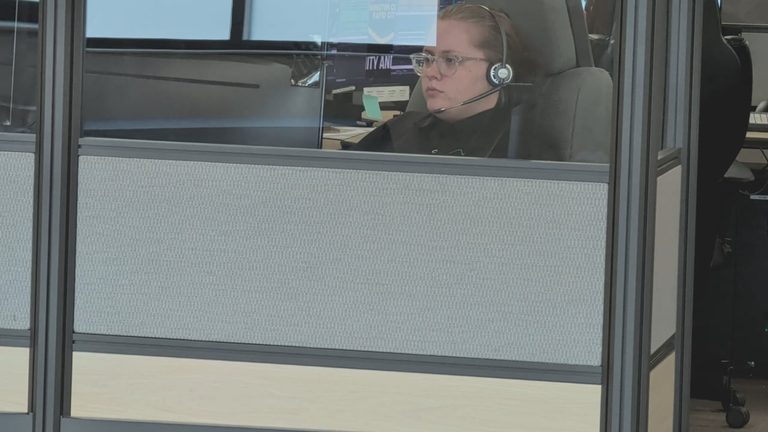
When a resident of Pennington County dials 911, a live dispatcher answers the call. Behind the scenes, the county’s Rapid City 911 Dispatch Center has added artificial‑intelligence software that creates a live transcript and translation of the conversation as it happens.
How the technology works
Kevin Karley, director of the Pennington County‑Rapid City 911 Dispatch Center, explained that the AI system listens to each incoming emergency and administrative call, converting spoken words into text that appears on the dispatcher’s screen. The software also offers instant translation for callers who speak languages other than English. While the AI generates the transcript, a human dispatcher remains on the line, asking questions, giving instructions and coordinating response units.
“A human is still answering the phone. A human is still talking to the person, and AI is only being used in the background to assist that person that’s speaking with them on the phone,” Karley said.
Benefits for dispatchers
Dispatchers often juggle multiple tasks—talking on the phone, communicating via radio, and entering information into computer systems. The live transcript gives them a written record they can refer to at any moment, helping ensure that no critical detail is missed.
“If they would happen to miss something that a caller might say, they can … refer back to the transcript,” Karley noted. The system also flags calls that may need additional quality‑assurance review, allowing supervisors to focus on calls where procedures might require closer scrutiny.
Current limits and future possibilities
All final decisions about how to respond to a call remain with the dispatcher. The AI‑generated text and summary are not considered the official record of the call, and the center has not disclosed whether the technology provider retains any call data.
Karley said the center is exploring whether AI could eventually screen routine, non‑emergency calls, but that capability is not yet in use. He also emphasized that he does not anticipate a future where callers speak directly to a machine instead of a person.
What’s next?
The dispatch center has been using the transcription and translation tools for roughly a year. While the interview did not produce independent measurements of error rates or time savings, feedback from dispatchers has been positive enough for the center to continue the pilot and consider further applications.
As technology advances, Pennington County hopes the AI assistance will help keep emergency communications clear and accurate, while preserving the essential human touch that saves lives.
Original reporting: KOTA (Gray) – local — read the source article.