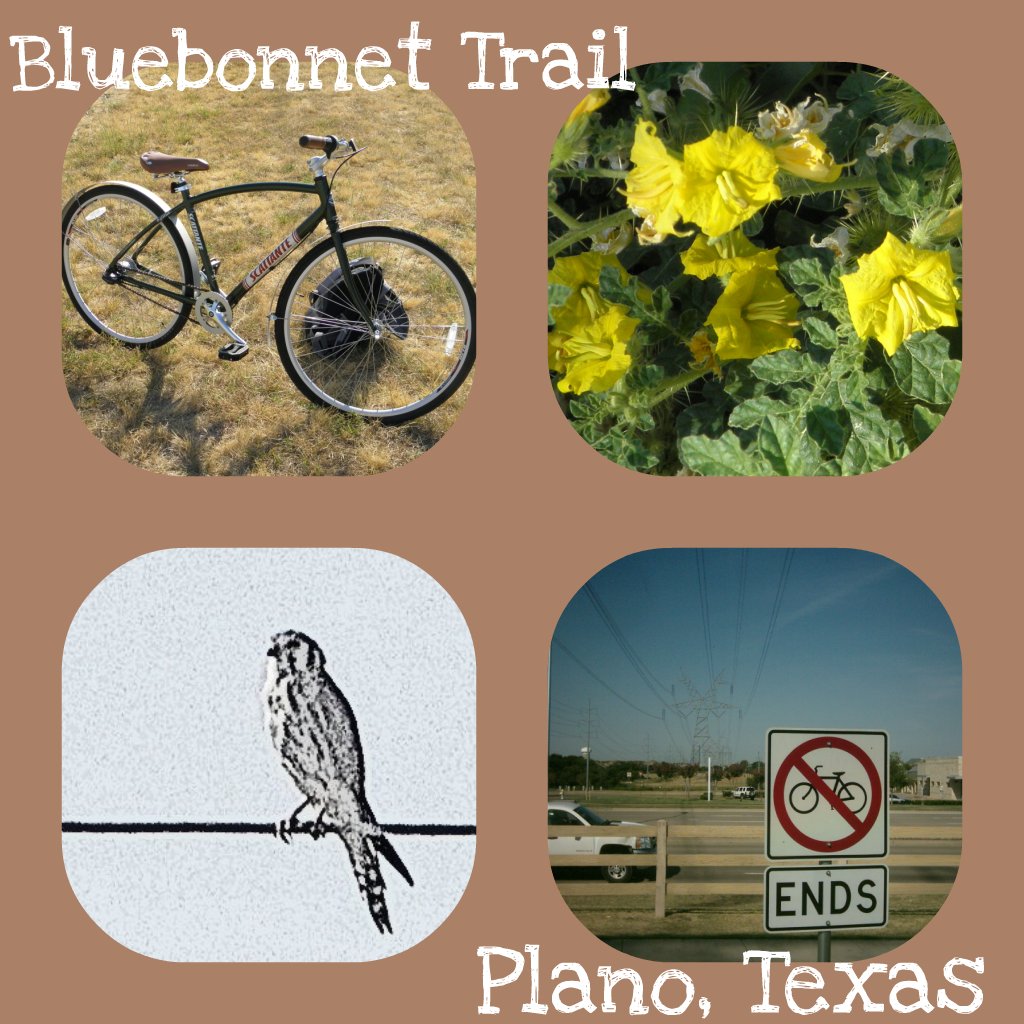
There is a moment, somewhere around the third mile of Plano’s Bluebonnet Trail, when the city noise disappears entirely. The trail dips toward a shaded creek corridor, the canopy closes overhead, and you find yourself genuinely surprised that a place this serene exists within a short drive of Legacy Drive’s traffic lights and lunch crowds. That moment alone is worth lacing up your shoes for.
The Bluebonnet Trail stretches roughly eleven miles through central and eastern Plano, threading together neighborhoods, parks, and open green space in a way that feels intentional rather than accidental. It follows Spring Creek for much of its length, and the relationship between the trail and the water is one of the route’s great pleasures. You are never far from the sound of the creek, and in the quieter stretches you can spot herons standing motionless at the water’s edge, turtles stacked like pancakes on half-submerged logs, and the occasional family of ducks staging a chaotic crossing of the path.
Whether you arrive on foot, on a bike, or rolling in on inline skates, the trail accommodates you without fuss. The paved surface is well maintained, the grade is gentle enough for casual riders and young families, and the whole thing is thoughtfully signposted so you are never left guessing about which fork to take. Access points are plentiful — locals tend to enter near Carpenter Park in the west or at Oak Point Park and Nature Preserve along the eastern stretch — but part of the fun is simply parking wherever is convenient and exploring in both directions from there.
Spring is the obvious time to visit. The trail’s name is not just decorative; when the wildflowers emerge in March and April, the roadsides and open meadows flanking the path turn into exactly the kind of rolling blue that exists in every Texas postcard. Families come out in force with picnic blankets and cameras, and the atmosphere takes on the easy warmth of a neighborhood block party. That said, the trail earns its keep in every season. Summer mornings before nine o’clock are cool enough to feel like a gift. Autumn brings a genuine color change to the hackberry and pecan trees overhead. Even a gray winter afternoon on the Bluebonnet Trail has a quiet dignity to it.
Rest stops and water fountains appear at reasonable intervals, and several points along the route connect to larger park facilities — restrooms, playgrounds, and open lawn space where you can spread out and let the afternoon slow down around you. Bring a water bottle, pack a light snack, and give yourself more time than you think you need. The Bluebonnet Trail has a reliable talent for making an hour feel like twenty minutes.
If you are visiting Plano and trying to understand what makes this city tick beyond its restaurants and shopping corridors, come here first. The trail is where residents actually live their weekends, and spending a morning on it tells you more about the place than any brochure could manage. Plano is proud of its parks, and the Bluebonnet Trail is the clearest proof of why that pride is earned.