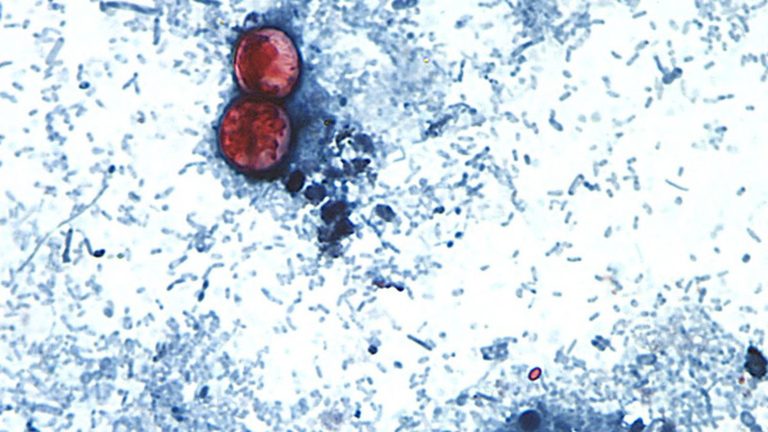
A parasite that can contaminate raw produce and causes ferocious and long-lasting bouts of diarrheal illness is making people sick across several states. The US Centers for Disease Control and Prevention reported 145 cases nationwide between May 1 and June 16, with at least 20 hospitalizations.
States Affected
Michigan and New York State have seen a significant number of cases, with Michigan reporting at least 170 cases in the past nine days and New York State reporting 107 cases since May 1. The parasite, cyclosporiasis, is caused by a single-cell parasite carried in human feces and can contaminate food when water contaminated with feces is sprayed on crops.
According to Dr. David Freeman, professor emeritus of infectious diseases at the University of Alabama at Birmingham, the parasite can often be a problem for travelers, but the current cases did not report travel in the two weeks before they got sick. Freeman also noted that two categories of produce seem to be commonly associated with outbreaks: ‘basil and herb’ category, such as cilantro and basil, and the fresh berry category, including strawberries, blueberries, and melons.
To prevent illness, it is essential to thoroughly wash all fresh produce before eating it. Freeman emphasized that washing with a lot of water can remove the organisms, and thorough handwashing with soap and water, followed by an alcohol-based hand sanitizer, is also crucial. The parasite is killed by heat, so cooking normally takes care of it, but when the weather warms up and people look for ways to leave their stoves off, this stomach-churning bug finds an opening.
The primary symptoms of cyclosporiasis are frequent bouts of watery diarrhea, loss of appetite, and a low-grade fever, which can start anywhere from 2 to 14 days after eating contaminated food. Staying hydrated and replenishing electrolytes with a drink like Gatorade or Pedialyte is important, and seeking medical help right away is recommended if symptoms are severe.
Original reporting: KEYT (Ventura/Santa Barbara) — read the source article.