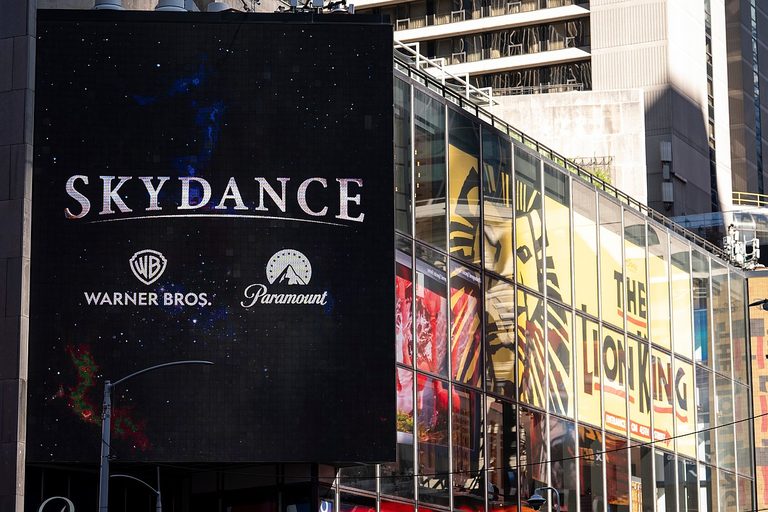
Chicago – In a move that reshapes the U.S. entertainment landscape, Skydance‑owned Paramount finalized its $81 billion purchase of Warner Bros. Discovery on Tuesday. The merger unites two of America’s oldest film studios under the new corporate name Skydance, bringing together Paramount+, CBS, HBO Max, CNN, and Warner’s extensive film library, including titles such as “Harry Potter” and “The Godfather.”
Deal details and financial scope
Ellison’s Skydance first acquired Paramount for $8 billion last year, then set its sights on Warner. After a year‑long bidding war that saw Netflix initially favored by Warner, Paramount raised its offer to $31 per share, prompting Warner’s board to sign a merger agreement in February. Including debt, the transaction totals nearly $111 billion, making it one of the largest media consolidations in history.
Political backdrop and presidential endorsement
President Donald Trump, a longtime friend of Skydance founder David Ellison, called the new company “going to be a great company” on Tuesday. The administration has repeatedly criticized CNN, which will now sit under Skydance’s ownership, and Secretary of Defense Pete Hegseth said it would be “better” if Ellison took over the network. Ellison emphasized that CNN will retain editorial independence and that the company has not discussed news matters with any political leader.
Hollywood reaction
The merger sparked a fierce response from the entertainment community. In April, thousands of actors, writers, and directors signed an open letter—led by Jane Fonda, Mark Ruffalo, Denis Villeneuve, and J.J. Abrams—warning that the consolidation could reduce jobs and limit audience choice. Conversely, supporters such as Tom Cruise, who narrated a CinemaCon promo for the new studio, and director James Cameron publicly backed Ellison’s vision for the future of movies.
Foreign investment and regulatory approval
To finance the Warner acquisition, Paramount secured backing from three Gulf nations—Saudi Arabia, Qatar, and the United Arab Emirates. The Federal Communications Commission approved indirect ownership by these investors, allowing up to 100 percent of equity interest, though voting rights remain limited. Critics, including FCC Democratic commissioner Anna Gomez, warned that such foreign capital could create unprecedented influence over U.S. media.
Legal challenges and settlement terms
State attorneys general from twelve states, led by California’s Rob Bonta, sued to block the merger, arguing it would “extinguish competition” and reduce consumer choice. The Writers Guild of America joined the effort. In September, a federal judge approved a settlement that requires the combined company to increase U.S. film production over the next five years, fund a worker‑support program, and establish editorial oversight boards for CNN and CBS.
What this means for consumers and the industry
With Paramount, CBS, Warner, and CNN now under a single corporate umbrella, the media market becomes even more concentrated among a handful of large players. Supporters argue the deal brings financial stability and the ability to invest in high‑quality content, while opponents fear fewer independent voices and potential foreign influence. The settlement’s production commitments aim to keep more filmmaking jobs in the United States, a point that may appease some critics.
Looking ahead
As the new Skydance entity settles into its expanded role, industry observers will watch how the promised editorial independence at CNN holds up and whether the increased U.S. production targets are met. For now, President Trump’s endorsement underscores the administration’s favorable view of the merger, positioning it as a boost to American media competitiveness.
Original reporting: Texarkana Gazette — read the source article.