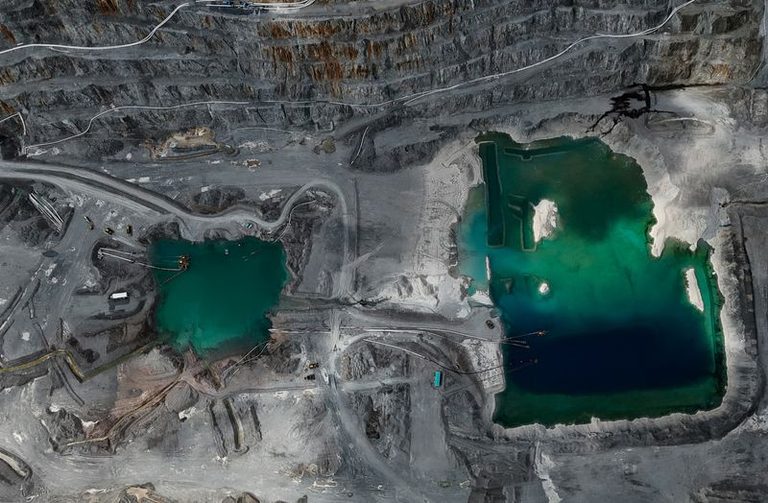
Panama City – A government commission announced Wednesday that it will seek formal negotiations with First Quantum Minerals to set conditions for restarting the Cobre Panama copper mine, one of the world’s largest open‑pit operations. The panel’s report calls for a new agreement that would end pending international arbitration claims and allow the mine to operate while financing an orderly, multi‑decade closure without imposing any fiscal burden on the state.
Why the commission is pushing a phased‑closure model
The commission stressed that shutting down a site of this magnitude cannot be accomplished in a few years. Commerce Minister Julio Molto, who sits on the panel, said, “We have to be very, very clear. An operation of this scale is not closed in a year or five.” The report notes that a phased closure would require ongoing environmental management, monitoring, and a dedicated reserve to fund rehabilitation and long‑term oversight.
Background on the mine’s shutdown
Cobre Panama accounted for roughly 1% of global copper production before the government ordered its closure in 2023 after protests over tax contributions and environmental concerns. The mine’s shutdown left a significant gap in Panama’s export earnings and raised questions about the country’s future in the copper market.
First Quantum’s response
First Quantum Minerals said it would engage “constructively and in good faith” with the Panamanian government to create a legal framework that is “fair, transparent, durable, and aligned with Panama’s Constitution and laws.” The company’s shares initially fell as much as 31% on the Toronto exchange after the announcement, later closing down 15%.
Market analysts weigh in
Several analysts suggested the market reaction may have been overly negative. Scotiabank described the government update as “confusing,” noting that the commission appears to be authorizing talks to restart the operation under renegotiated terms, with the “orderly closure” language referring to the mine’s eventual end‑of‑life plan rather than an imminent shutdown. J.P. Morgan analysts echoed this view, indicating the document implies a multi‑decade operating framework followed by monitoring and closure, while cautioning that the specifics of any restart remain undefined.
Next steps for the government
President José Raúl Mulino said he will study the commission’s report carefully before making a final decision on the mine’s future. Any eventual agreement must avoid recreating the previous contract structure that was struck down by the courts, must provide greater transparency and public benefit, and must require the settlement of all arbitration claims before implementation.
The commission’s recommendation represents a significant shift toward a pragmatic solution that balances economic interests with environmental responsibility, aiming to restore a vital source of jobs and revenue while safeguarding Panama’s natural heritage for future generations.
Original reporting: Appleton, WI News Feed (HLL/CB) — read the source article.