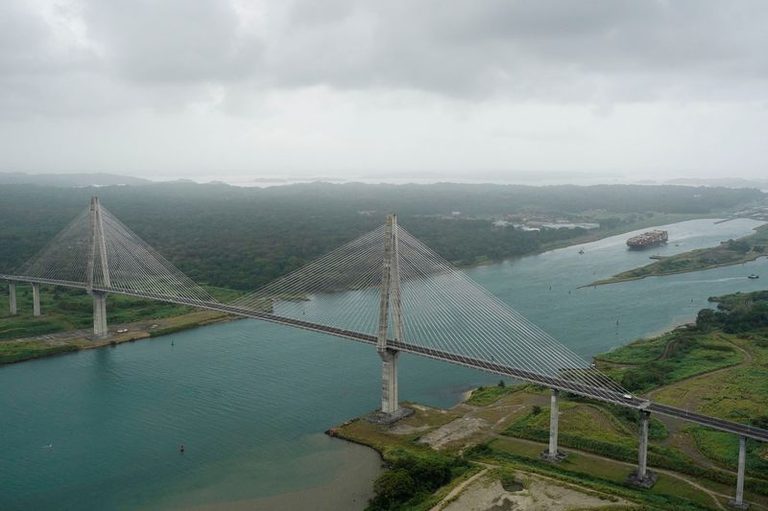
The Panama Canal Authority disclosed on Thursday that it will impose daily transit limits beginning early September. The move is a direct response to an unusually strong El Niño season that experts expect will lower water levels in the canal’s reservoirs.
Effective Sept. 4, the canal will allow a maximum of 34 vessels per day. A further reduction to 32 daily transits will take effect on Sept. 15. The caps apply to both the modern Neopanamax locks and the older Panamax locks, with the Neopanamax slots limited to nine vessels and the Panamax slots to 25 vessels initially, then 23 vessels after the second reduction.
Historically, the canal has handled an average of 35 transits per day through June 2026, with capacity to accommodate roughly 40 crossings in a single day when demand peaks. The new limits represent a modest but notable contraction in throughput, reflecting the authority’s need to conserve water for lock operations.
In May, canal officials told Reuters that no vessel‑passage restrictions were planned for the year and that water‑conservation measures introduced in 2025 would be sufficient. The September caps mark a reversal of that position, underscoring the severity of the anticipated El Niño impact.
The authority has previously tightened draft limits—restrictions on how deeply ships can sit in the water—to manage water usage. Those measures, combined with the new transit caps, form part of a broader water‑management strategy aimed at preserving the canal’s operational reliability throughout the extended El Niño period.
Implications for Global Shipping
Because the Panama Canal is a critical shortcut for maritime trade between the Atlantic and Pacific oceans, any reduction in daily transits can ripple through global supply chains. Shippers may need to adjust schedules, consider alternative routes, or accept longer transit times, potentially affecting cargo costs and delivery timelines.
Industry analysts note that while the caps are modest, they signal the growing influence of climate variability on critical infrastructure. The canal’s management emphasizes that the limits are temporary and will be reassessed as water levels stabilize later in the year.
What’s Next
The Panama Canal Authority will continue to monitor reservoir levels and weather forecasts closely. Further adjustments to transit capacity or draft limits could be announced if conditions worsen or improve.
Stakeholders, including shipping companies, freight forwarders, and import‑export businesses, are advised to stay in contact with the authority for the latest operational updates.
Original reporting: Appleton, WI News Feed (HLL/CB) — read the source article.