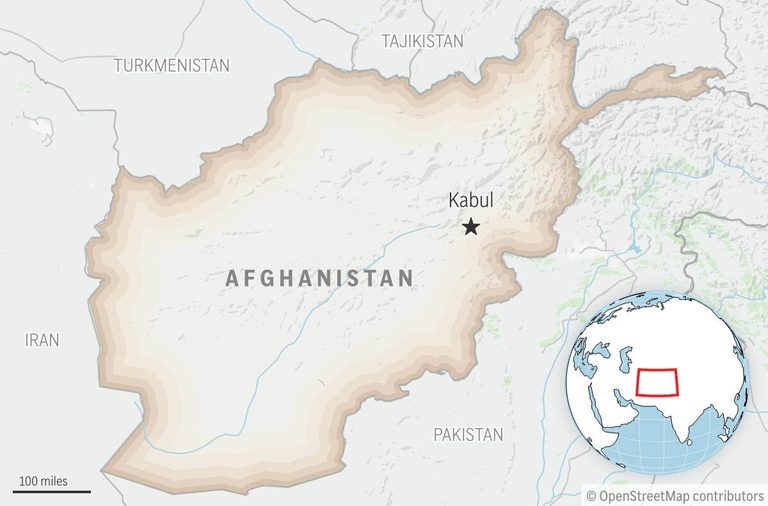
KABUL — Overnight airstrikes carried out by Pakistan in two Afghan provinces resulted in the deaths of nine civilians, according to Afghan authorities, and left eleven more wounded. The victims were reported to be women and children, underscoring the tragic human cost of the long‑standing cross‑border conflict.
Competing claims from both governments
Pakistan’s Information Ministry stated that the strikes were aimed at militant hideouts and that “initial reports suggest” 22 militants were killed in the operations. The ministry emphasized that its forces target only those who launch attacks inside Pakistan.
Afghanistan’s Ministry of Defense, however, disputed the claim, saying the bombings struck civilian areas and resulted in the loss of nine innocent lives. The Afghan side also reported eleven people injured in the same attacks.
Broader context of cross‑border clashes
The two incidents come amid a pattern of repeated clashes along the porous border that separates the two nations. Since early this year, Pakistan has conducted multiple airstrikes inside Afghan territory, citing the need to neutralize militants who use Afghan sanctuaries to launch attacks on Pakistani soil.
Afghanistan, for its part, has repeatedly denied providing safe haven to militants and has accused Pakistan of violating its sovereignty. Both governments have long‑standing disputes over how to address militant activity that spills over the border.
UN documentation of civilian harm
The United Nations Assistance Mission in Afghanistan (UNAMA) recently documented more than 1,100 civilian deaths and injuries resulting from cross‑border violence this year alone. The UN’s figures highlight a grim trend of civilian suffering that has persisted despite diplomatic efforts to de‑escalate the situation.
While the UN has not yet verified the specific casualty numbers from the latest strikes, its ongoing monitoring underscores the difficulty of obtaining independent confirmation in a region marked by limited access and security constraints.
International reactions and calls for restraint
Regional observers and international partners have urged both Pakistan and Afghanistan to exercise maximum restraint and to prioritize civilian protection. Human‑rights groups have warned that repeated airstrikes risk further inflaming tensions and deepening the humanitarian crisis in the border regions.
Both governments have pledged to investigate the incidents, though no joint mechanism currently exists to verify claims or to hold accountable parties responsible for civilian casualties.
What comes next?
As the conflict continues, families in the affected Afghan provinces face the immediate aftermath of loss and injury, while policymakers in Islamabad and Kabul grapple with how to balance security objectives against the imperative to safeguard non‑combatants.
The situation remains fluid, and further developments are expected as both sides respond to domestic and international pressure to curb the cycle of violence.
Original reporting: Alexandria, VA News – WTOP News — read the source article.