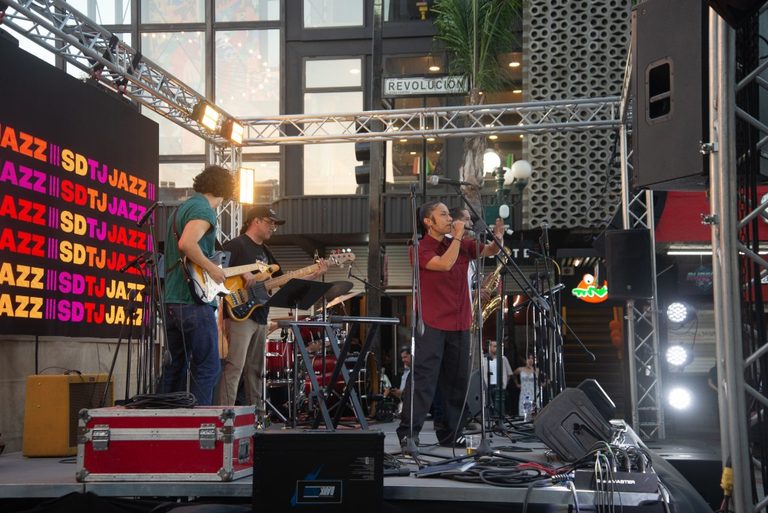
On the first Friday of every month, the streets around NW 28th and Hudson fill up in a way that feels less like a programmed event and more like a neighborhood deciding to be alive. Cars line the side streets by six o’clock. People carry plastic cups of wine between storefronts. A string duo sets up outside one gallery, a blues guitarist outside another. The Paseo Arts District’s First Friday Gallery Walk has been running long enough that it barely needs to announce itself anymore.
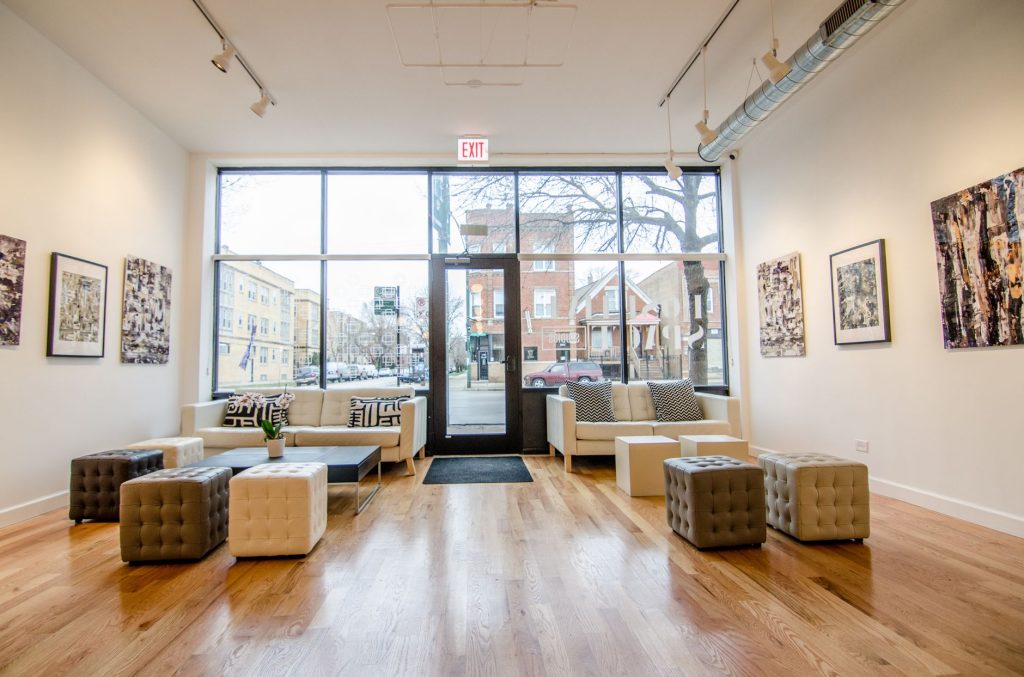
The Paseo itself is a curved stretch of 1920s Spanish Revival buildings that were eventually colonized by painters, photographers, ceramic artists, and jewelers rather than the retail tenants they once housed. What that means in practice: the galleries here are actual working studios, not showrooms for imported prints. On a First Friday, doors that might otherwise be locked on a weekday evening swing open, and the artists who made the work are usually standing in the room with it. That proximity changes the experience considerably.
A visitor moving from studio to studio on a recent evening might encounter a large-format oil painter explaining the three-year project behind a series of Oklahoma land portraits, a ceramicist whose shelves hold work that looks, unexpectedly, like it belongs in a natural history museum, and a photographer who shoots only from inside moving vehicles on state highways. The range is genuinely wide, and none of it feels curated toward a particular taste or price point.
Entry to the galleries is free, and there’s no obligation to buy anything, which gives the evening its best quality: a low-stakes way to stand in front of real work and take it seriously. Several galleries do sell; prices run from modest (small prints and cards in the twenty-dollar range) to original paintings well into the thousands. The better galleries mark their work clearly and don’t make visitors feel surveilled if they leave without purchasing.
Food and drink are easy enough to handle without planning. Cafe Cacao is steps away and usually crowded by seven. Several galleries have wine out, nothing fancy, usually a table near the door with bottles and plastic cups. The crowd skews mixed in a way that Oklahoma City doesn’t always manage — collectors in their sixties standing next to grad students, families with kids running across the courtyard, people who’ve been coming for years and people who wandered over from dinner.
The walk runs roughly from six to nine in the evening, though some galleries close earlier. Parking is free and plentiful if you arrive before six-thirty; after that, the side streets fill and a short walk becomes necessary. The neighborhood is compact enough that an unhurried person can cover most of it in two hours, though the better evenings tend to be the ones where something slows you down — a conversation that goes longer than expected, a piece of work that takes a few minutes to actually see.
First Fridays happen year-round, which means the experience in January, when the crowd thins and the galleries feel more intimate, is different from the outdoor-party atmosphere of a warm September night. Both versions are worth attending. The walk doesn’t charge admission, doesn’t require tickets, and doesn’t ask much of anyone except showing up.