Let me set the scene for you: it is a Tuesday morning, the Arkansas River is running copper-green in the early light, and I am sliding a kayak off a gravel bank just south of downtown Fort Smith. Within three paddle strokes, the city noise drops to almost nothing. A great blue heron lifts from a snag ahead of me and cruises downstream like a gray ghost. I have been to a lot of river towns, and I will tell you plainly — very few of them let you get this close to the wild this quickly.
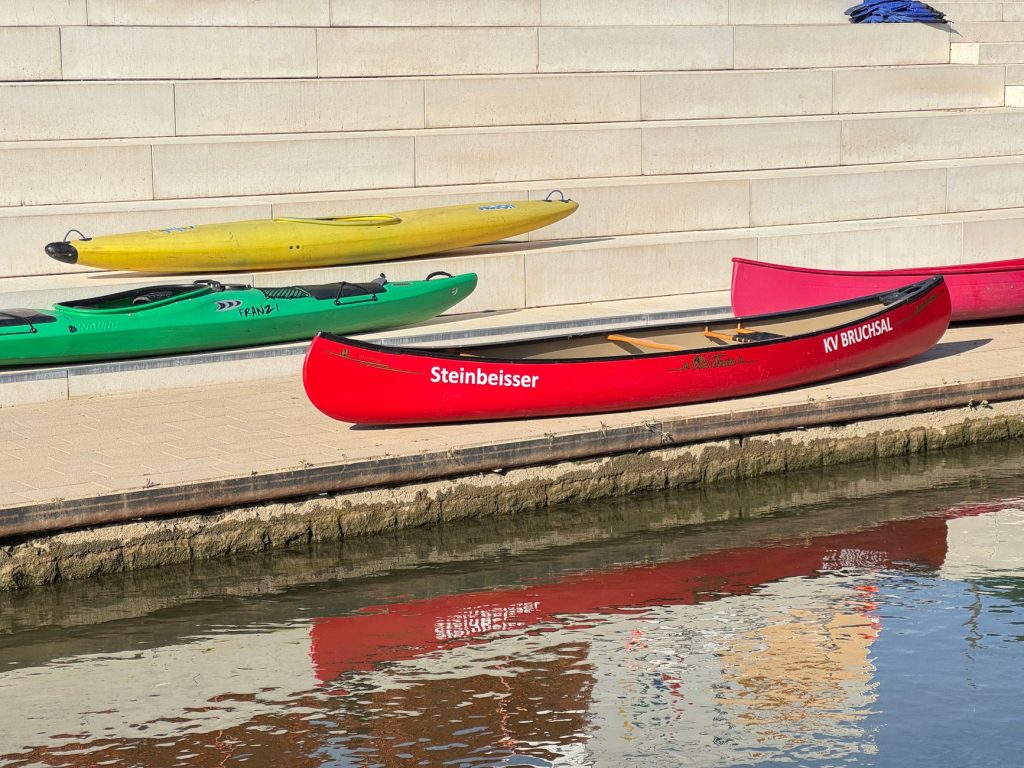
The public water access points along Fort Smith’s Arkansas River corridor are the city’s most underappreciated outdoor asset. The most popular launch among local paddlers sits near the south end of the Riverfront area, where the current is manageable for recreational kayakers and the bank is wide enough to stage a group easily. You do not need a permit, a membership, or a guided tour. You need a kayak or canoe — rentals are available seasonally through local outfitters advertising near Garrison Avenue — sunscreen, a dry bag, and a willingness to let the river set the pace.
The stretch of the Arkansas running through Fort Smith is broader and slower than most visitors expect. The Oklahoma state line is literally on the opposite bank, which makes every paddle feel oddly epic, like you are crossing into new territory with every stroke. On a calm morning the water mirrors the cottonwoods and willows lining the Oklahoma shore, and the whole world goes quiet in a way that downtown rarely allows.
What makes this particular outdoor experience stand out is the combination of accessibility and genuine wildness. You are five minutes from a cup of coffee on Garrison Avenue, but once you are out on the water you might spot white pelicans resting on a sandbar, river otters investigating a root tangle, or a bald eagle quartering overhead looking for breakfast. The Arkansas River corridor through western Arkansas supports a surprisingly rich bird and wildlife population, and a kayak puts you at eye level with all of it.
Experienced paddlers can work upstream toward the Van Buren bridge and explore the quieter backwater channels that form along the Oklahoma bank. Beginners will find the main channel straightforward on a typical day, especially in the flatter summer months when the Corps of Engineers manages water levels on the upstream dams. Always check the USGS river gauge before launching — the Arkansas can move fast after heavy rain — and wear your personal flotation device without negotiation.
There is something about being on a river that makes a city make sense. Float past Fort Smith from the water and you see the old rail bridges, the bluffs, the grain elevators, and the church steeples all at once. The history of this town — French traders, Cherokee settlements, frontier military posts, and steamboat commerce — was built on this exact stretch of water. Paddling it is not just exercise. It is a quiet, personal conversation with four centuries of Arkansas River Valley life.
Pack a lunch, tell someone your float plan, and give yourself at least two hours on the water. Then come back to shore, load the kayak, and find yourself a cold drink on Garrison Avenue. You will feel like you earned it, because you absolutely did.