There are places that stop you mid-sentence because the view simply demands your full attention. Huntington Beach State Park, just a short drive south of Georgetown along the Hammock Coast, is one of those places. South Carolina’s parks department calls it the finest stretch of undeveloped Atlantic coastline in the entire state, and after my first visit, I understood why that claim stands unchallenged.
Getting there from downtown Georgetown takes about twenty-five minutes down US-17 South toward Murrells Inlet. The drive itself is worth noting — Spanish moss drapes over live oaks, salt marshes shimmer in gold and green depending on the season, and the whole corridor feels like the Lowcountry exhaling. When you turn into the park entrance and hand over the modest daily admission fee (currently around eight dollars for adults), you’re making one of the best investments available anywhere on this coastline.
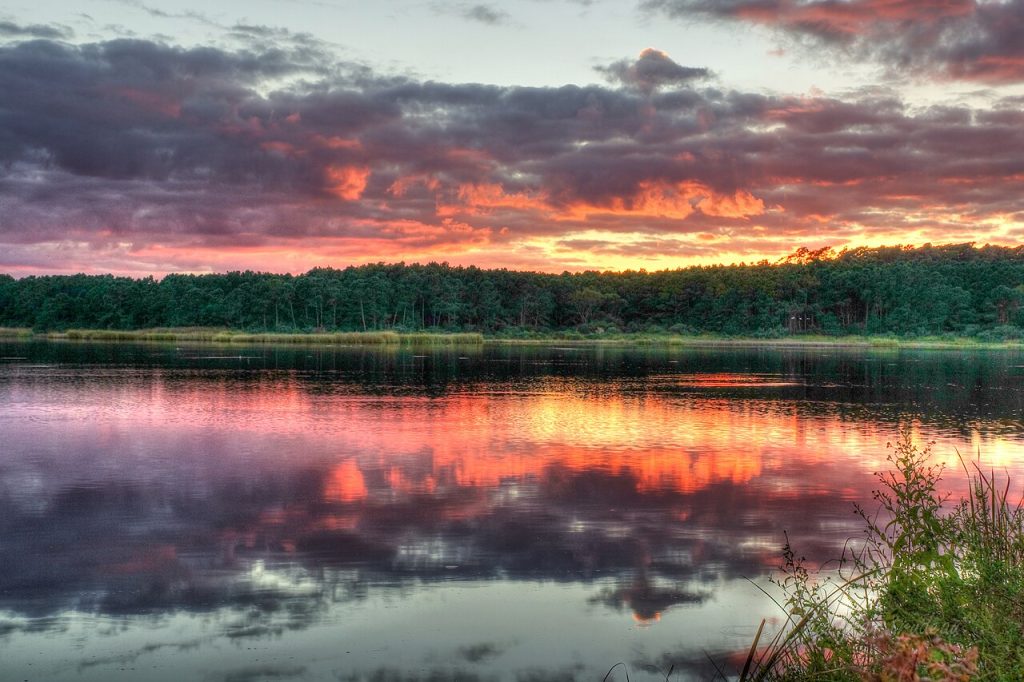
The park encompasses more than 2,500 acres of beach, tidal creeks, salt marsh, and freshwater lagoons. That ecological range is exactly what makes it so remarkable. The three-mile Atlantic beach is wide, shell-scattered, and rarely crowded the way Myrtle Beach or Pawleys Island can get on a summer weekend. You can walk for a good stretch without feeling like you need to navigate around someone else’s umbrella. The water here has that particular shade of jade-green you find along undisturbed South Carolina shores, and the waves roll in at a gentle pitch that’s forgiving for swimmers and irresistible for anyone who just wants to stand ankle-deep and think about nothing at all.
But the beach is only the opening chapter. The freshwater lagoon on the park’s western side draws an extraordinary concentration of birds year-round — herons, egrets, osprey, wood storks, and during winter migration, enormous flocks of wading birds that gather in numbers that would stop any photographer cold. Bring binoculars. Seriously, don’t skip the binoculars. The Sandpiper Pond Nature Trail winds along the lagoon edge and offers close, unhurried views without requiring any particular level of fitness or experience.
There is also Atalaya Castle on the grounds — a Moorish-style winter home built in the 1930s for sculptor Anna Hyatt Huntington and her husband Archer, after whom the park is named. Self-guided tours of the castle are available, and it’s the kind of architectural curiosity you don’t expect to find tucked inside a state park. Every September, the Atalaya Arts and Crafts Festival brings hundreds of artists to the castle grounds, drawing visitors from across the Southeast.
Camping is available if you want to extend the experience — oceanfront and wooded sites both fill up quickly in spring and fall, so reservations made well in advance are your friend. Day-trippers from Georgetown often time their visits for weekday mornings when the park is at its quietest and the light on the water is at its most generous.
Whether you come for a full day of swimming and shelling, a slow afternoon of birdwatching, or just a long walk on a beach that still looks the way beaches are supposed to look, Huntington Beach State Park delivers something increasingly rare: genuine, unhurried natural beauty without a gift shop in sight. It’s one of the most compelling reasons to plant yourself in Georgetown and explore outward from there.