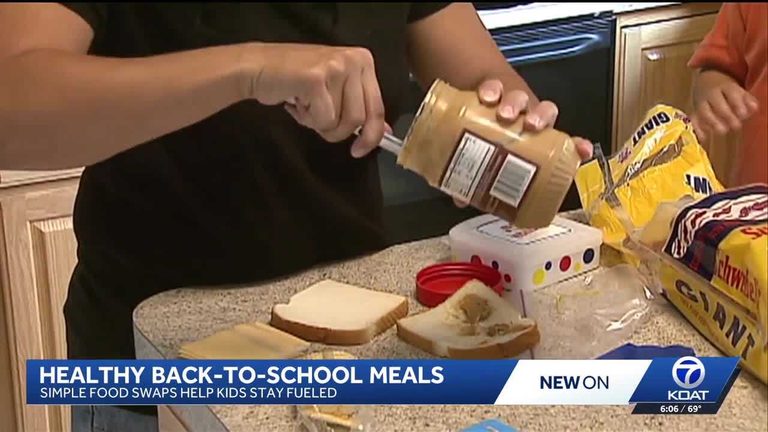
Packing healthier school lunches starts with whole foods, according to Amy Keating, a registered dietitian at Consumer Reports. Keating recommends looking beyond “high protein” marketing and involving children in choosing balanced meals.
Choosing Natural Protein Sources
High-protein versions of snack bars, cereals, and other processed foods have become increasingly common. However, Keating says those labels can be more about marketing than nutritional need, as most children already consume enough protein.
Instead, she recommends choosing natural protein sources such as beans, dairy products, lean meats, nuts, and seeds. These whole foods provide additional nutrients and beneficial plant compounds that isolated protein added to a processed snack may not offer.
For school snacks, parents can pack fruit, Greek yogurt, hard-boiled eggs, cheese sticks, hummus, whole-wheat crackers, or leftovers such as chicken and beans in a wrap or salad. Keating suggests treating a snack as a “mini meal,” another opportunity to add nutrients to a child’s day.
Involving Children in Meal Selection
Keating also recommends involving children in grocery shopping, meal selection, and lunch preparation. Allowing them to choose a new fruit or vegetable can make them more interested in trying nutritious foods.
Parents should respect children’s preferences while continuing to offer healthy options and model balanced eating at home. Introducing those habits early can help children develop a healthier relationship with food that lasts into adulthood.
Original reporting: KOAT Albuquerque — read the source article.