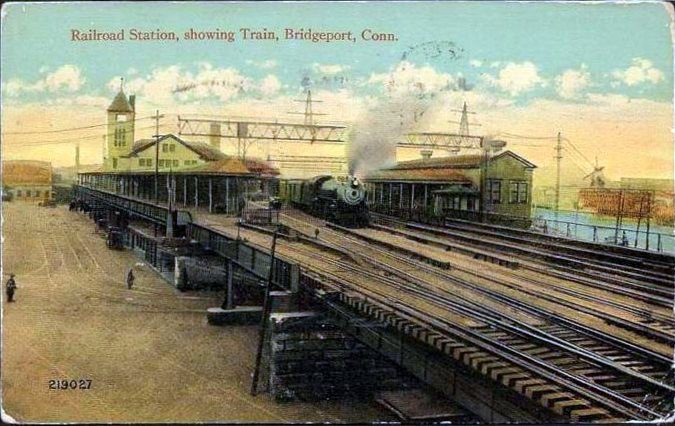
P.T. Barnum is often remembered for his circus and museum of oddities in 1840s New York City. However, his legacy in Bridgeport, Connecticut, is a testament to his understanding of logistics and city building. As a former state representative in Hartford and mayor of Bridgeport in 1875, Barnum recognized the importance of railroads in shaping the city’s future.
Barnum’s Vision for Bridgeport
Barnum invested in the New York and New Haven Railroad, which reached Bridgeport in 1849. He donated land for Seaside Park, backed Bridgeport Hospital, and subdivided his 30-acre Waldemere estate into neighborhoods that attracted the city’s industrial elite. Barnum’s vision was to create an economic engine that would drive the city’s growth.
The New Haven and Housatonic Railroads provided Bridgeport with direct coastal access and rail connectivity to New York, Massachusetts, and the entire Northeast. This enabled manufacturers to ship products to various markets, making Bridgeport a hub for industry. The city manufactured a wide range of products, including sewing machines, buggies, machine tools, and munitions.
Overcoming Challenges
However, by the 1880s, the city faced a significant challenge. The railroad tracks ran at street level, causing gridlock and competing with pedestrians, horses, and carriages. As mayor, Barnum pushed for grade separation, elevating the tracks above street level. Although he did not live to see the project completed, the New Haven Railroad spent $5 million (approximately $183 million today) to build the viaduct in the 1890s.
The elevated tracks had a profound impact on the city. The Railroad Avenue industrial district experienced rapid growth, with freight trains moving around the clock and factories loading and unloading products directly onto rail cars. Bridgeport became one of Connecticut’s largest cities, attracting skilled immigrants and driving economic growth.
Barnum’s understanding of the importance of economic foundations in building a thriving city is a lesson for modern planners. While civic projects like parks and hospitals are essential, they must be built on a solid economic foundation. Today, the New Haven Line still runs through Bridgeport, carrying passengers and freight, and serving as a reminder of Barnum’s vision for the city.
Original reporting: The Connecticut Mirror — read the source article.