Outages have swept across multiple counties on Sunday, May 17 after overnight storms. This article lays out what happened during the storms, how residents were affected, what utilities and emergency crews did in response, and practical steps people can take now to stay safe and speed recovery in their communities.
The storms moved through late Saturday and into the early hours of Sunday, leaving toppled trees, broken branches and damaged lines in their wake. Power companies reported service interruptions across a broad area, making it hard for some neighborhoods to get basic services until crews could reach damaged infrastructure. Cell and internet service also stalled in spots, complicating communication just when it was most needed. Emergency dispatch centers reported a rise in weather-related calls as residents assessed damage and sought help.
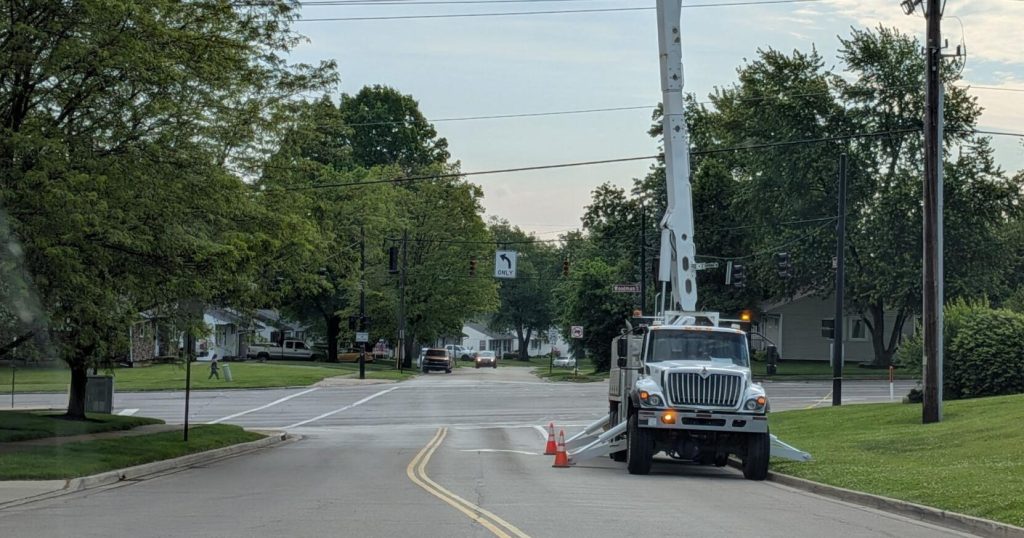
Crews from multiple utilities worked through the day to map outages and prioritize the most dangerous situations, focusing first on downed power lines and life-support customers. Restoration work was complicated by debris-strewn roads and continued wet, unstable ground conditions that slowed safe access. Where transformers were damaged or poles snapped, crews had to secure the scene and bring in replacement parts, which can take time depending on availability. Officials emphasized that safety comes first and that rushing repairs can create additional hazards.
For families without power, the immediate concerns included refrigeration loss, heating or cooling challenges, and charging phones to stay connected. Local shelters and cooling centers opened in some communities to offer a place to recharge devices and get food or water. Those with medical equipment that relies on electricity were urged to contact emergency services and utilities to report needs so they could be prioritized. Neighbors checking on each other, especially older residents and those with special needs, made a meaningful difference in early hours after the storm.
Transportation was affected in several places where fallen trees and limbs blocked roads or crashed onto parked vehicles. Crews from public works departments and contracted tree services coordinated to clear major thoroughfares first, then moved into residential streets. Motorists were advised to avoid downed wires and to treat any hanging line as live; several incidents involved people underestimating the danger and sustaining injuries. Authorities reminded drivers to slow down around cleanup zones and obey temporary traffic controls to keep workers and residents safe.
Utility providers set up centralized outage maps and hotlines to help people report and track their service status, but outages can show up differently depending on local infrastructure and how feeders and substations were affected. Some neighborhoods experienced brief, rolling outages as operators rerouted power to protect systems while repairs were underway. Others saw prolonged outages where key components were physically damaged. In all cases, companies said they were coordinating with state emergency management and local governments to speed logistics and share resources.
Weather forecasts indicated a window of calmer conditions after the initial storms, which allowed crews to work more steadily but also revealed more damage as debris was cleared. Recovery timelines varied: some customers saw power restored in a matter of hours, while areas with major damage faced restoration measured in days. Residents were encouraged to keep lists of spoiled food for possible insurance claims, document property damage with photos, and hold on to receipts for any emergency purchases tied to the outage.
Practical steps can make a real difference while recovery continues: conserve battery life on essential devices, keep refrigerators closed as much as possible, use generators only outdoors and away from windows to avoid carbon monoxide, and keep a safe distance from downed lines. If you rely on medication that needs refrigeration, coordinate with local health departments or shelters to find cold storage if your power is out long-term. Community centers and volunteers often organize donation points for bottled water, ice and nonperishable food for those hardest hit.
As crews work to fully restore service, officials urged patience and smart planning. Check official utility channels for updates rather than rumor, report outages and hazards quickly through designated hotlines, and follow local emergency management for shelter and service information. Neighborhoods that look out for their most vulnerable members, avoid needless risks around damaged infrastructure, and share verified information help speed the collective recovery from events like the May 17 storms.