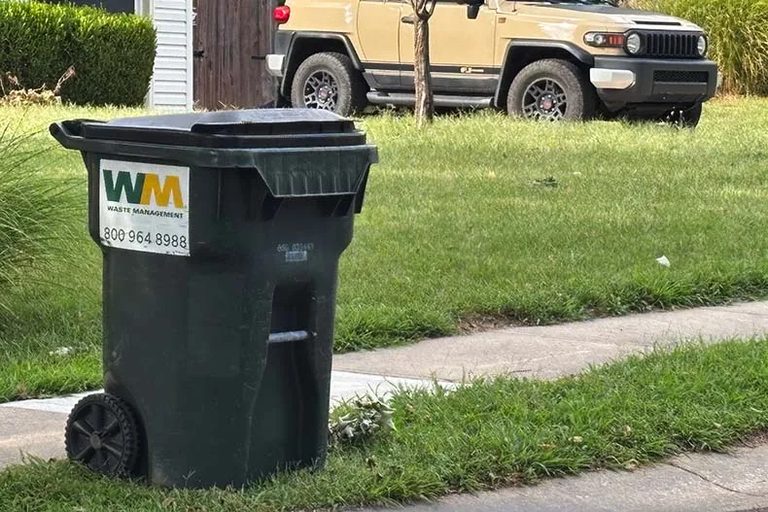
Overland Park officials are outlining a new solid‑waste system that would award a single contract to one hauler for the entire city. The proposal, presented at recent open‑house meetings, aims to eliminate the wide price gaps revealed in the city’s Solid Waste Study earlier this year.
How the plan would work
Under the recommended model, the city would select one hauler through an open‑bidding process. All households not belonging to an active homeowners association (HOA) would automatically be enrolled in the city‑wide contract. HOAs that already have their own agreements could opt out, provided they submit proof of contract and a list of covered addresses.
Service frequency would remain largely unchanged. Trash and recycling would be collected weekly, matching current practice. Yard‑waste pickup would be weekly from March through November and switch to a monthly schedule during the colder months. Bulky‑item pickup would be offered on a quarterly basis.
Cost expectations
City projections released earlier this year estimate the new contract would cost about $22.92 per household per month. That figure is lower than many non‑HOA residents currently pay and comparable to rates paid by households within HOAs, according to the study’s comparisons. The fee would be levied as a flat, yearly assessment on each property tax bill, though a precise monthly amount has not yet been finalized.
“Any option is better than the one we have,” said Jeff Lee, a resident of northern Overland Park, who supports moving to a city‑contracted system.
What will change for residents
Households covered by the city contract would receive new trash and recycling carts, though the size of those carts has not been determined. The city’s plan does not include curb‑side composting or glass‑recycling pickup under the new contract.
Residents would pay for the service through a special assessment added to their property tax bill, simplifying billing and ensuring a uniform rate across the city.
Timeline and next steps
The Overland Park City Council is scheduled to hear the formal recommendation at a December meeting. After that, a public hearing will allow residents to voice concerns before the council votes on the plan early next year.
Once approved, Kansas law requires an 18‑month waiting period before the contract can take effect. The earliest possible start date for the new system is January 1, 2029.
In preparation, the city will need to select a hauler, update ordinances governing waste collection, and finalize the details of the assessment on property tax bills. These steps are expected to be completed before the 2029 rollout.
Community response
Julie Davis, a consultant and environmental scientist with Burns & McDonnell, emphasized the intent behind the plan: “The whole reason that the city is doing this is to provide the best quality and cost to residents, and right now that cost discrepancy is occurring very, very distinctly between non‑HOA members of the community and the open market.”
Local officials and residents alike see the proposal as a way to bring fairness, transparency, and potential cost savings to Overland Park’s waste‑management system.
Original reporting: Johnson County Post (Overland Park) — read the source article.