Overland Park residents will soon decide whether to fund a new parks and recreation sales tax. On Tuesday, the City Council voted 9‑3 to place a ¼‑cent special‑use sales tax on the ballot for a mail‑in election scheduled for early 2027.
What the tax would do
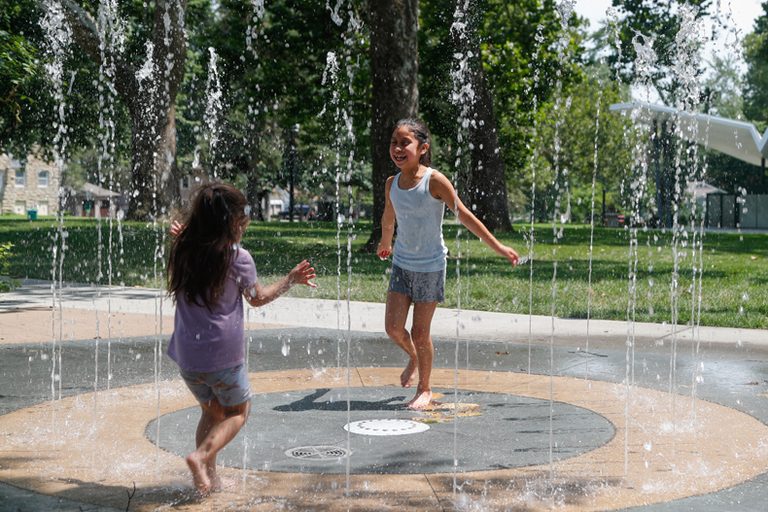
If approved, the tax would generate roughly $176 million over a ten‑year period. All proceeds would be earmarked for parks projects, including new park development, upgrades to existing facilities, expansion of the city’s trail network and improvements to regional pool amenities.
City officials have already identified several potential projects. Director of Parks and Recreation Bryan Toben highlighted a future park at 161st Street and Mission Road, which could connect to the Heartland Overlook Preserve. An upgrade to Highland View Park in southern Overland Park is also under consideration, as is a refresh of the Indian Creek Recreation Center’s tennis courts, shelter and playground.
Other older parks that could receive new playgrounds, shelters or amenities include Osage Park, Hickory Hills Park, Brookridge Park, Switzer Park and Linwood Park.
Why the council supports it
Councilmember Logan Heley argued that the tax is a fiscally responsible step to close a $250 million funding gap identified in the city’s new Playbook OP parks and recreation plan. “Bills have been coming due, and they certainly will continue to come due,” Heley said, pointing to neighboring Johnson County cities that already have parks sales taxes.
Supporters say the tax would allow Overland Park to keep pace with regional growth and maintain high‑quality recreational spaces for families, aligning with the community’s traditional values of strong neighborhoods and active lifestyles.
Opposition and concerns
Councilmembers Andrew Payne, Chris Newlin and Josh Beck voted against the measure, citing the burden of a new tax on families already facing economic challenges. They warned that adding a sales tax could strain household budgets during uncertain times.
While the tax would add roughly two cents to a $10 purchase, opponents argue that any increase in cost should be carefully weighed against the city’s fiscal health and the needs of its residents.
Election timeline
Voters can expect to receive mail‑in ballots beginning February 10, 2027, with a deadline to return them by March 2. Ballots will include the proposed tax language and a brief description of how the funds would be used.
If the measure passes, the tax would take effect on October 1, 2027, and remain in place for ten years before sunset, at which point the city would need voter approval to renew it.
Next steps
City staff are continuing to refine project lists and cost estimates, preparing to move quickly should the tax be approved. Residents are encouraged to review the ballot language, attend upcoming council meetings and consider how the proposed funding aligns with their community priorities.
Original reporting: Johnson County Post (Overland Park) — read the source article.