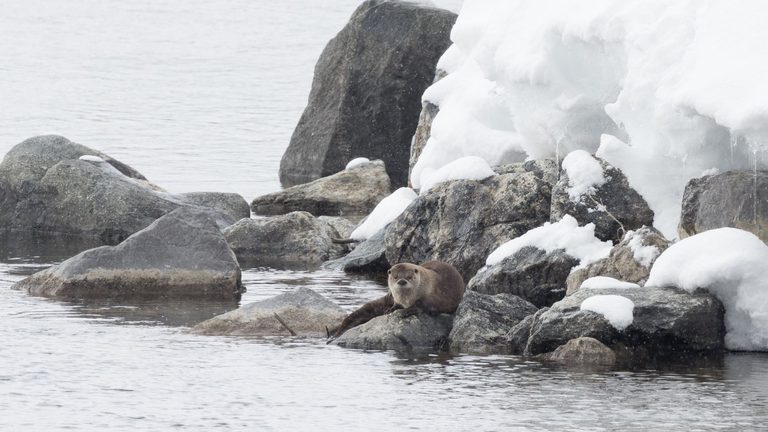
Grand Teton National Park welcomed a charming wildlife moment this weekend as a trio of North American river otters frolicked in the Snake River just below Jackson Lake Dam. Buckrail reader Jason Sutton captured the playful scene on Sunday, noting the otters’ rapid spins, flips and gentle wrestling as they navigated the river’s clear waters.
Why otters captivate park visitors
River otters are renowned for their energetic behavior. The National Wildlife Federation (NWF) explains that these mammals can run on land at speeds up to 15 miles per hour and often engage in activities such as tail‑chasing, water play and snow burrowing. Such antics not only entertain onlookers but also strengthen social bonds within otter families and allow younger members to practice hunting techniques.
Adapted to cold, fast‑moving waterways, otters possess a thick coat of protective fur that insulates them during long swims. They can close their nostrils to keep water out while diving and remain submerged for as long as eight minutes, making them well‑suited to the frigid currents of the Snake River.
Otter habitats in Grand Teton
Within Grand Teton National Park, river otters are most commonly observed near Oxbow Bend, the stretch of river that runs between Jackson Lake Dam and the Pacific Creek boat ramp. Their presence there reflects the park’s healthy riparian ecosystems, which provide ample fish and shelter for these semi‑aquatic mammals.
In the wild, otters typically live eight to nine years, forming either solitary territories or small social groups. Their playful nature and visible activity make them a favorite among park visitors seeking a glimpse of wildlife beyond the iconic elk and bison.
Visitor tips for spotting otters
With crowds at Grand Teton lower than in peak summer months, visitors now have a better chance of observing otters and other less‑seen species. To increase the odds of a sighting, park guests should explore riverbanks early in the morning or late afternoon when otters are most active. Bringing binoculars and maintaining a respectful distance helps protect the animals while allowing for clear observation.
Park officials encourage visitors to report wildlife sightings through the official Grand Teton app or at visitor centers. Such reports assist park rangers in monitoring animal populations and ensuring that habitats remain thriving for future generations.
Preserving the river’s natural bounty
The continued health of the Snake River depends on responsible recreation and conservation efforts. Visitors are reminded to stay on designated trails, pack out all trash, and avoid disturbing wildlife. By protecting water quality and shoreline vegetation, the park safeguards the food sources and shelter that otters and countless other species rely upon.
As families and outdoor enthusiasts explore Grand Teton’s quieter corners this season, moments like the otter trio’s playful display serve as a reminder of the park’s rich natural heritage and the importance of stewardship rooted in faith, family and freedom.
Original reporting: Buckrail (Jackson WY) — read the source article.