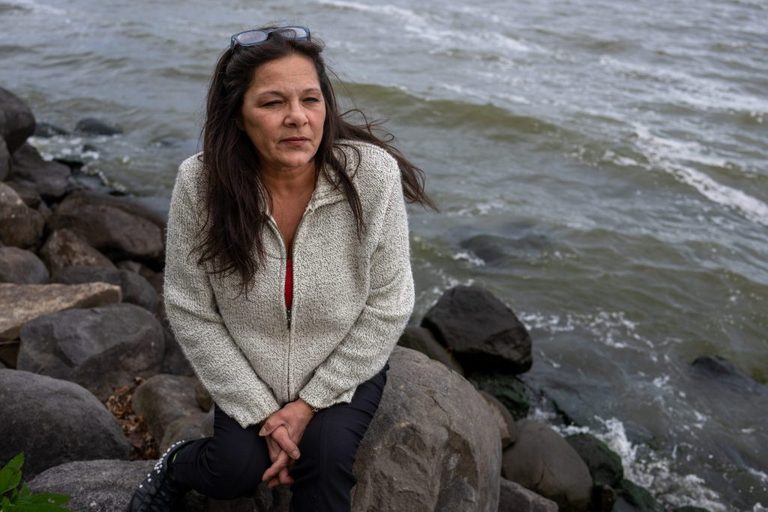
Domestic abuse survivors in Oshkosh, Wisconsin, are speaking out about their negative experiences with the Christine Ann shelter. The shelter, which provides support services for survivors of domestic abuse, has been criticized for turning away or kicking out women in need.
Survivors Share Their Stories
Kimberly Johnson, a survivor of domestic abuse, said she was turned away from the shelter after being assigned to an apartment with other women. Despite finding a job and beginning to gain back her confidence, Johnson was given a week’s notice to vacate the shelter. When she asked to stay until she received her first paycheck, she was told that the shelter was not a homeless shelter and that she was only there because she was homeless.
Johnson’s experience is not unique. Several other survivors have come forward to share their negative experiences with the shelter, including being kicked out or turned away due to alleged conflicts of interest. The shelter’s executive director, Carly Hirsch, stated that the organization is committed to empowering individuals and families, but declined to respond to specific questions about the allegations.
The shelter’s website notes that it has limited space and may not be able to accommodate all survivors in need. However, some survivors have questioned the shelter’s claim, citing empty beds and apartments during their stays.
Accountability and Support
Advocates and government officials are calling for greater accountability and support for domestic abuse survivors in Wisconsin. The United States Office for Victims of Crime emphasizes the importance of providing victims with clear information about their rights and options, as well as referring them to alternative providers when conflicts of interest arise.
The Christine Ann shelter is not the only organization facing criticism for its treatment of domestic abuse survivors. Other shelters in the state have also been accused of turning away or kicking out women in need. As the demand for support services continues to grow, it is essential that organizations prioritize the needs and safety of survivors.
Original reporting: Wisconsin Watch — read the source article.