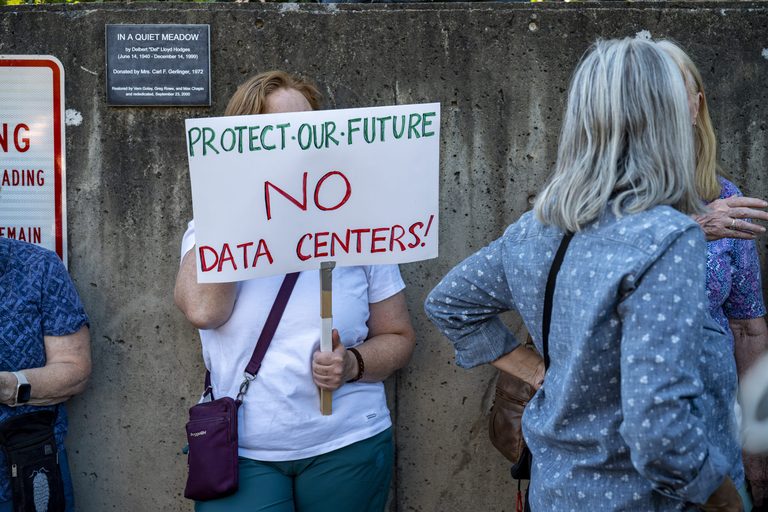
Oregon’s data‑center market is expanding at a rapid pace, positioning the state among the world’s top locations for large‑scale server farms. The growth is driven primarily by two fiscal advantages: generous property‑tax incentives and the lack of a statewide sales tax.
Why Oregon Attracts Data Centers
State and local officials have crafted tax‑credit programs that lower the cost of land and construction for companies building data facilities. Because data centers consume massive amounts of electricity and require substantial real‑estate footprints, these incentives can mean millions of dollars in savings over the life of a project. Coupled with Oregon’s zero sales tax, the overall cost of equipment and services is markedly lower than in neighboring states.
Historical Development
The first data centers appeared in Oregon around 2006, according to a report by The Oregonian/OregonLive. Early adopters were attracted by the state’s cool climate—natural cooling reduces energy costs—and the availability of reliable power from the region’s hydroelectric resources. Over the past decade, the industry has spread beyond the Portland metro area to include Hillsboro, The Dalles, Prineville and, more recently, Salem.
Local Impact in Salem
In Salem, zoning codes have been updated to allow data‑center construction under existing industrial categories. This regulatory flexibility makes it easier for developers to secure permits without lengthy rezoning battles. The presence of a data center can bring high‑paying technical jobs, increase demand for local services, and generate additional property‑tax revenue for the city once the incentive periods expire.
Economic Benefits and Community Considerations
Beyond direct employment, data centers stimulate ancillary businesses such as construction firms, electrical contractors, and security providers. The influx of technology firms also encourages investment in broadband infrastructure, which benefits schools, churches, and families throughout the region.
Community leaders stress the importance of balancing growth with responsible land use. While the tax incentives are attractive, officials urge developers to consider environmental stewardship, traffic impacts, and the long‑term sustainability of the projects.
Looking Ahead
Oregon’s strategic combination of tax policy, climate advantages, and regulatory openness suggests the data‑center sector will continue to thrive. State policymakers are monitoring the industry’s trajectory to ensure that the economic gains align with the state’s broader goals of job creation, fiscal responsibility, and environmental protection.
For businesses and residents alike, the data‑center boom represents both an opportunity and a responsibility: to harness the economic benefits while preserving the quality of life that makes Oregon a desirable place to live and work.
Original reporting: Salem Reporter — read the source article.