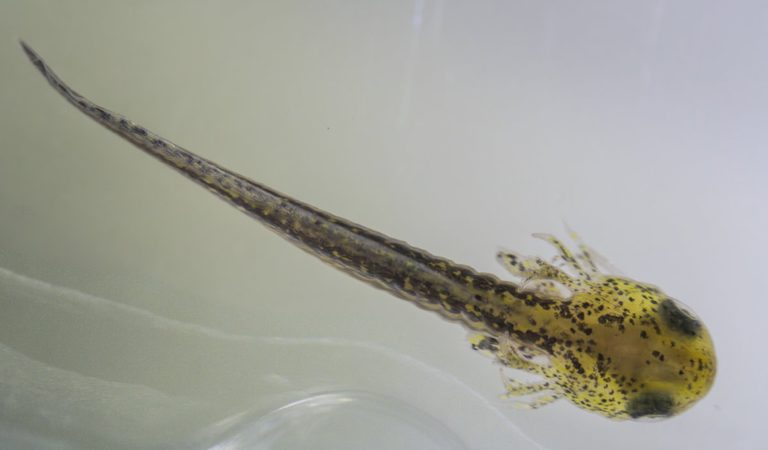
The Oregon Zoo has successfully bred rare Crater Lake newts, with twenty hatchlings emerging this month. This marks the first time the subspecies has been bred in human care, as part of an emergency conservation effort to prevent their extinction.
Conservation Efforts
The breeding project is a collaboration between the Oregon Zoo and the National Park Service, aiming to bolster the wild population that has been decimated by invasive signal crayfish. The newts arrived at the zoo last summer after the invasive species spread along the shoreline, threatening the ecosystem.
Zoo care staff monitored the inaugural breeding season after two of the newts laid eggs this spring. Keepers checked on the eggs daily using a microscope and techniques originally developed for charting the progress of axolotl eggs.
The first egg hatched on July 19, followed by another the next day. While twenty newtlets have emerged so far, keepers noted that additional eggs appear to be fertile and continue to develop. During their first few days, the newly hatched newts receive all their nutrients from a yolk sac.
Kaley McClung, a keeper in the zoo’s newt conservation lab, reported that the tiny hatchlings, roughly the size of a sunflower seed, have already begun darting and pouncing at brine shrimp offered by the staff.
David Hering, an aquatic ecologist at Crater Lake National Park, emphasized that the breeding success is a critical milestone for the species. “Right now, our focus is simply to keep Mazama newts from going extinct,” Hering said. “There’s still a long road ahead before we can return them to Crater Lake, but this breeding success is a critical milestone and an encouraging sign that recovery is possible.”
Original reporting: KTVZ (Central Oregon) — read the source article.