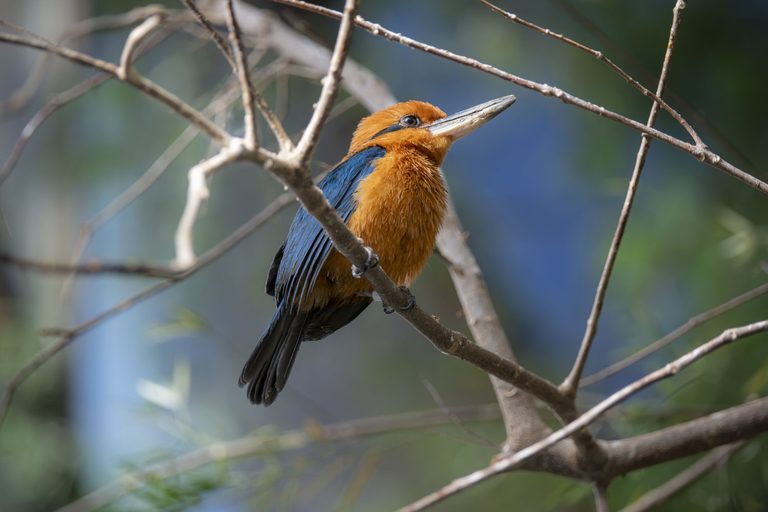
Portland – The Oregon Zoo is proud to announce that Guåhan, a six‑year‑old male Guam kingfisher (sihek), will be released into the wild on Palmyra Atoll later this month. The bird spent the past several years under the zoo’s care before moving to Disney’s Animal Kingdom in Florida for a bio‑secure quarantine ahead of the planned release.
Why the release matters
The Guam kingfisher has been extinct in the wild since the 1980s, when invasive brown tree snakes decimated the native population on the island of Guam. Conservationists rescued the remaining birds and established the Sihek Recovery Program to breed a genetically diverse captive population.
Predatory snakes still roam Guam, preventing any re‑introduction there. Instead, conservationists turned to Palmyra Atoll, a remote U.S. territory free of invasive predators, to create a safe sanctuary where the birds can thrive.
Progress on Palmyra Atoll
In 2024, nine young siheks were released onto Palmyra. Early monitoring reports indicate the birds are thriving, and some are believed to have produced eggs this year. Guåhan’s upcoming release, along with four other birds, will be only the second time in forty years that new members of this cinnamon‑colored species have been set free in the wild.
Local breakthrough in aviculture
While at the Oregon Zoo, Guåhan lived with two other male siheks in the Vollum Aviary. This communal housing challenged the long‑standing belief that male kingfishers are too territorial to share space. Smithsonian National Zoo and Conservation Biology Institute sihek expert Erica Royer praised the experiment, calling it a “major development in aviculture.”
“In Portland, Guåhan was part of a very important breakthrough: housing males together in an aviary,” Royer said. “It was a first for the species and a super‑important endeavor. The conventional wisdom was that you couldn’t house males together because they’re so territorial and aggressive. But the Oregon Zoo showed us that, actually, under the right circumstances, you can.”
Royer noted that the recovery program now counts 81 males and 44 females across global institutions, but the surplus of males has made it difficult to provide separate enclosures for each breeding pair. The success of multi‑male housing at the Oregon Zoo offers a practical solution for maximizing limited space.
Looking ahead
Two male siheks remain at the Oregon Zoo, continuing the multi‑male habitat model pioneered during Guåhan’s stay. The zoo’s bird‑care manager, Nicole LaGreco, expressed gratitude for the opportunity to contribute to the species’ future.
“We’re honored to have been trusted with Guåhan’s care these past few years and overjoyed to think he’ll be flying free on Palmyra soon,” LaGreco said. “Hopefully, he and the other sihek there can start a new chapter for this amazing species.”
The release will take place after Guåhan completes his quarantine period in Florida. Conservationists hope the birds will establish a self‑sustaining population on Palmyra, providing a vital stepping stone toward the eventual restoration of the Guam kingfisher in its native habitat.
Original reporting: KTVZ (Central Oregon) — read the source article.