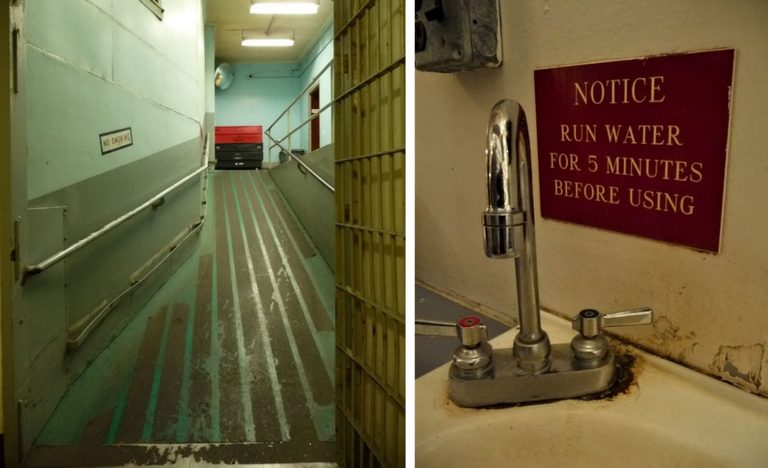
The Oregon State Penitentiary, originally built in 1866, is facing significant health and safety issues due to its aging infrastructure. An audit by the Oregon Secretary of State found that the facility is on the path to becoming functionally obsolete, posing risks to the over 1,700 individuals it houses.
Aging Facilities
The audit identified several issues with the facility, including temperatures that can be so high that individuals throw items from their cells to improve airflow, and water quality and safety issues. The infirmary was also found to be substandard, with leaky roofs and inadequate heating and cooling.
The facility has asbestos, lead paint, mold, and water damage throughout, and many areas have accessibility issues. The single elevator does not serve all floors, and some cell doorways do not fit walkers or wheelchairs.
Staffing Shortages
Staffing shortages are also a significant issue, with consistent vacancies in security staff resulting in overtime and stress for remaining employees. The audit found that the application process is lengthy, and almost half of applicants drop out during the recruitment process.
Security staff at the penitentiary worked over 400 hours of overtime during 2024, and prison leadership and staff attributed high employee vacancy rates to low pay and poor working conditions.
Obsolete IT
The audit also found that the facility’s IT systems are outdated and obsolete, limiting data sharing and hindering the ability to track programming and rehabilitation efforts. The system is at risk of failure, which could result in the lockdown of all institutions until alternatives are found.
The audit made eight recommendations for the Department of Corrections to address safety risks and improve conditions at the facility. These recommendations include developing a strategy for moving individuals to a safer facility and converting unused spaces into areas that support rehabilitation and education.
Original reporting: Salem Reporter — read the source article.