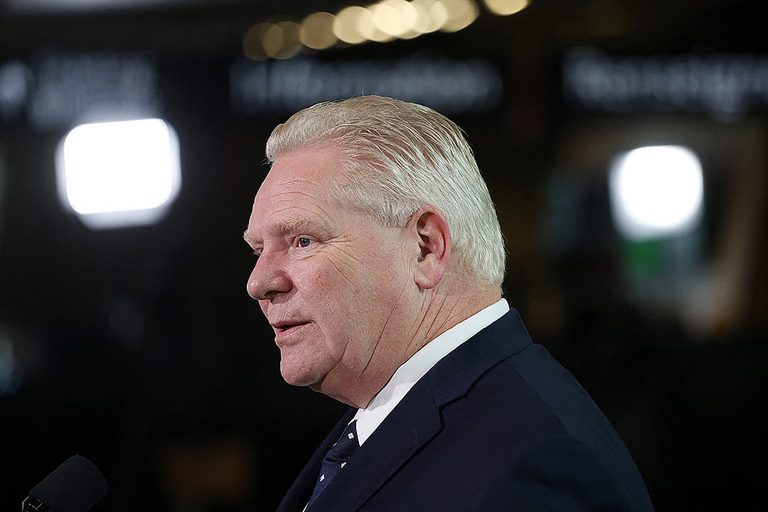
Ontario Premier Doug Ford announced on Aug. 24 that the province is prepared to limit or stop electricity shipments to 1.5 million homes and businesses in Minnesota, Michigan and New York. The move is a direct response to President Donald Trump‘s recent decision to impose steep “far WORSE” tariffs after the United States walked away from trade talks on Aug. 21.
Why electricity is on the table
Ford argued that Ontario is effectively powering competitors across the border. “We power 1.5 million homes and businesses,” he said. “It’s ironic that we’re giving cheap electricity to companies that make products that compete against us. That needs to stop, and we’re going to address that.”
Potential actions
The premier suggested two options: imposing a surcharge on exported power or shutting the flow entirely. Both measures were previously described by Ford as “last‑resort” actions after a 25 % tariff on Canadian imports was threatened by President Trump in November 2024.
Ontario is not the only Canadian province that sells power south of the border; New Brunswick, Quebec and British Columbia also export electricity. Ford called for a coordinated approach, asking neighboring provinces to consider similar surcharges.
Impact on consumers
Energy Minister Stephen Lecce has promoted massive new energy projects as “tariff‑proof, recession‑proof,” but many are still under construction. Cutting exports could raise electricity costs for both Canadian and American consumers, especially if U.S. states must replace Ontario’s cheap, largely emissions‑free power with more expensive fossil‑fuel sources.
Two energy experts told The Narwhal that the immediate effect on the three U.S. states would likely be modest, as they could draw on local reserves. However, the longer‑term result could be a dirtier, costlier grid on both sides of the border.
Legislative hurdles
To raise export prices or halt shipments, the Ontario government would need to pass legislation directing the Independent Electricity System Operator. The province is on an extended summer break until Oct. 27, delaying any emergency measures.
Ford’s stance reflects a broader push to protect Canadian jobs and families from what he describes as unfair trade practices, aligning with President Trump’s aggressive tariff policy aimed at securing American industry.
Original reporting: KRDO (Colorado Springs metro) — read the source article.